


- Afhalen na 1 uur in een winkel met voorraad
- Gratis thuislevering in België vanaf € 30
- Ruim aanbod met 7 miljoen producten
- Afhalen na 1 uur in een winkel met voorraad
- Gratis thuislevering in België vanaf € 30
- Ruim aanbod met 7 miljoen producten





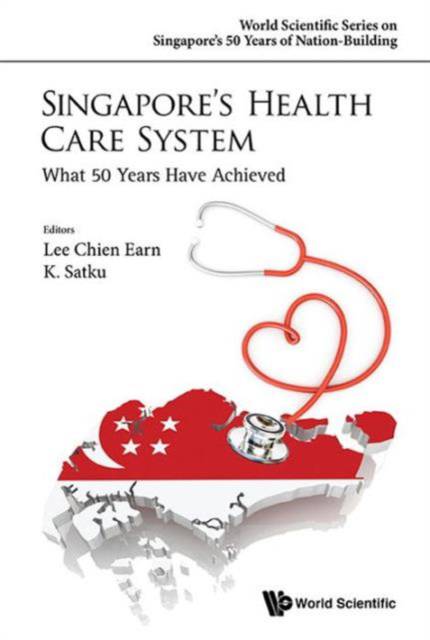
Singapore's Health Care System: What 50 Years Have Achieved
€ 53,45
+ 106 punten
Omschrijving
How did Singapore's health care system transform itself into one of the best in the world? It not only provides easy access, but its standards of health care, not only in curative medicine but also in prevention, are exemplary. Fifty years ago, the infant mortality rate (IMR) was 26 per thousand live births; today the IMR is 2. Life expectancy was 64 years then; today, it is 83. The Singapore Medicine brand is trusted internationally, and patients are drawn to Singapore from all over the world. And while many countries struggle to finance their health care, Singapore has developed a health care financing framework that makes health care affordable for its people and gives sustainability to the health care system. Reliability is provided by a professional workforce that seeks to continually learn, improve and become ever more proficient with cutting edge technology while emphasizing the relational aspects of health care by nurturing compassion and maintaining high standards of integrity. Convenience and safety are enhanced by a unifying IT system that enables the portability of medical records across health care institutions. All these have been achieved not by chance but by careful planning, strong leadership and dedicated people who are prepared to learn from Singapore's own experience while adapting best practices from around the world. But the system is not without challenges -- not least those of an aging population, and an increasing market influence. This book provides a fascinating insight into the development of Singapore's health care system from the early days of fighting infections and providing nutrition supplementation for school children, to today's management of lifestyle diseases and high-end tertiary care. It also discusses how the system must adapt to help Singaporeans continue to 'live well, live long, and with peace of mind.'
Specificaties
Betrokkenen
- Uitgeverij:
Inhoud
- Aantal bladzijden:
- 404
- Taal:
- Engels
- Reeks:
Eigenschappen
- Productcode (EAN):
- 9789814696050
- Verschijningsdatum:
- 13/01/2016
- Uitvoering:
- Paperback
- Formaat:
- Trade paperback (VS)
- Afmetingen:
- 165 mm x 246 mm
- Gewicht:
- 771 g

Alleen bij Standaard Boekhandel
+ 106 punten op je klantenkaart van Standaard Boekhandel
CADEAU


Beoordelingen
We publiceren alleen reviews die voldoen aan de voorwaarden voor reviews. Bekijk onze voorwaarden voor reviews.