


- Afhalen na 1 uur in een winkel met voorraad
- Gratis thuislevering in België vanaf € 30
- Ruim aanbod met 7 miljoen producten
- Afhalen na 1 uur in een winkel met voorraad
- Gratis thuislevering in België vanaf € 30
- Ruim aanbod met 7 miljoen producten





€ 118,95
+ 237 punten
Omschrijving
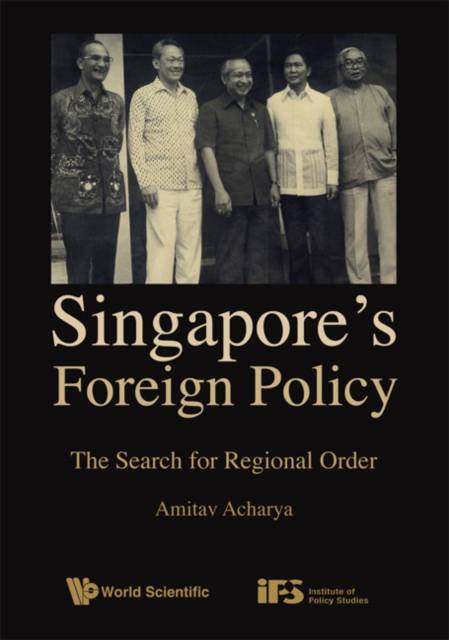
The conventional understanding of Singapore's foreign policy can be summarized in three main propositions: first, it is dictated by the imperatives of being a small state; second, its primary purpose is to ensure Singapore's survival, given its small size; and third, this logic of survival dictates a realpolitik approach to foreign policy and national security.This book argues that an exclusively realist view of Singapore's foreign policy is inadequate. Singapore's foreign policy is also shaped by the positive effects of economic interdependence and regional institution-building -- instruments that realists tend to dismiss, but which Singapore has self-consciously tried to promote as instruments of regional order. The book first looks at the evolution of Singapore's foreign policy, before analyzing Singapore's international relations and national security in the context of economic growth and terrorism. It concludes with an interesting chapter on the impact of the rise of China and India on the regional landscape.
Specificaties
Betrokkenen
- Auteur(s):
- Uitgeverij:
Inhoud
- Aantal bladzijden:
- 216
- Taal:
- Engels
Eigenschappen
- Productcode (EAN):
- 9789812708595
- Verschijningsdatum:
- 1/01/2008
- Uitvoering:
- Hardcover
- Formaat:
- Genaaid
- Afmetingen:
- 158 mm x 236 mm
- Gewicht:
- 535 g


Alleen bij Standaard Boekhandel
+ 237 punten op je klantenkaart van Standaard Boekhandel
AANGERADEN


Beoordelingen
We publiceren alleen reviews die voldoen aan de voorwaarden voor reviews. Bekijk onze voorwaarden voor reviews.