


- Afhalen na 1 uur in een winkel met voorraad
- Gratis thuislevering in België vanaf € 30
- Ruim aanbod met 7 miljoen producten
- Afhalen na 1 uur in een winkel met voorraad
- Gratis thuislevering in België vanaf € 30
- Ruim aanbod met 7 miljoen producten





€ 44,95
+ 89 punten
Omschrijving
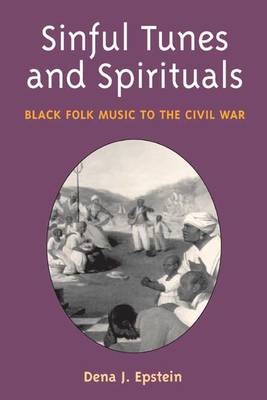
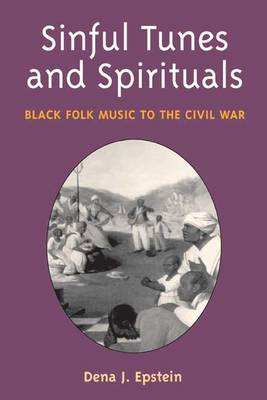
From the plaintive tunes of woe sung by exiled kings and queens of Africa to the spirited worksongs and "shouts" of freedmen, enslaved people created expansive forms of music from the United States to the West Indies and South America. Dena J. Epstein's classic work traces the course of early black folk music in all its guises. Anchored by groundbreaking scholarship, it redefined the study of black music in the slavery era by presenting the little-known development of black folk music in the United States. Her findings include the use of drums, the banjo, and other instruments originating in Africa; a wealth of eyewitness accounts and illustrations; in-depth look at a wide range of topics; and a collection of musical examples. This edition offers an author's preface that looks back on the twenty-five years of changes in scholarship that followed the book's original publication
Specificaties
Betrokkenen
- Auteur(s):
- Uitgeverij:
Inhoud
- Aantal bladzijden:
- 464
- Taal:
- Engels
- Reeks:
Eigenschappen
- Productcode (EAN):
- 9780252071508
- Verschijningsdatum:
- 12/08/2003
- Uitvoering:
- Paperback
- Formaat:
- Trade paperback (VS)
- Afmetingen:
- 154 mm x 228 mm
- Gewicht:
- 616 g


Alleen bij Standaard Boekhandel
+ 89 punten op je klantenkaart van Standaard Boekhandel
Cadeau

AANGERADEN


Beoordelingen
We publiceren alleen reviews die voldoen aan de voorwaarden voor reviews. Bekijk onze voorwaarden voor reviews.