


- Afhalen na 1 uur in een winkel met voorraad
- Gratis thuislevering in België vanaf € 30
- Ruim aanbod met 7 miljoen producten
- Afhalen na 1 uur in een winkel met voorraad
- Gratis thuislevering in België vanaf € 30
- Ruim aanbod met 7 miljoen producten





€ 160,45
+ 320 punten
Omschrijving
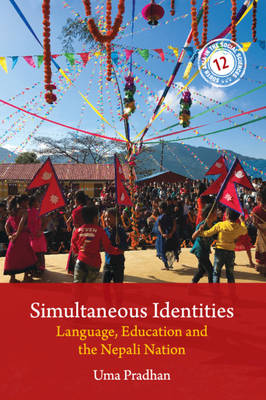
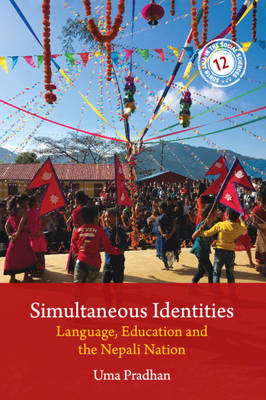
The recent socio-political changes in Nepal have brought assimilationist notions of Nepali nationalism under a tight scrutiny and drawn attention to more plural, inclusive, and diverse notions of Nepaliness. However, both assimilationist and pluralist visions continue to remain normative in their approach, and often posit ethnic and national identity in opposition to each other. Drawing on the everyday practices in the two schools, this book illustrates that social actors in minority language education did not necessarily select between minority identity and national identity, but instead made simultaneous claims to more than one social identity by discursively positioning 'ethnic identity' as 'national identity'. It builds on the notion of 'simultaneity' to illustrate that it is through the 'unresolved co-presences' of apparently contradictory ways that people maintain their multi-layered identities. By arguing for an analytical necessity to adopt relational approach, it aims to complicate the neat compartmentalisation of identities.
Specificaties
Betrokkenen
- Auteur(s):
- Uitgeverij:
Inhoud
- Aantal bladzijden:
- 290
- Taal:
- Engels
- Reeks:
- Reeksnummer:
- nr. 12
Eigenschappen
- Productcode (EAN):
- 9781108489928
- Verschijningsdatum:
- 3/12/2020
- Uitvoering:
- Hardcover
- Formaat:
- Genaaid
- Afmetingen:
- 196 mm x 234 mm
- Gewicht:
- 544 g


Alleen bij Standaard Boekhandel
+ 320 punten op je klantenkaart van Standaard Boekhandel
Cadeau

AANGERADEN


Beoordelingen
We publiceren alleen reviews die voldoen aan de voorwaarden voor reviews. Bekijk onze voorwaarden voor reviews.