


- Afhalen na 1 uur in een winkel met voorraad
- Gratis thuislevering in België vanaf € 30
- Ruim aanbod met 7 miljoen producten
- Afhalen na 1 uur in een winkel met voorraad
- Gratis thuislevering in België vanaf € 30
- Ruim aanbod met 7 miljoen producten





€ 56,45
+ 112 punten
Omschrijving
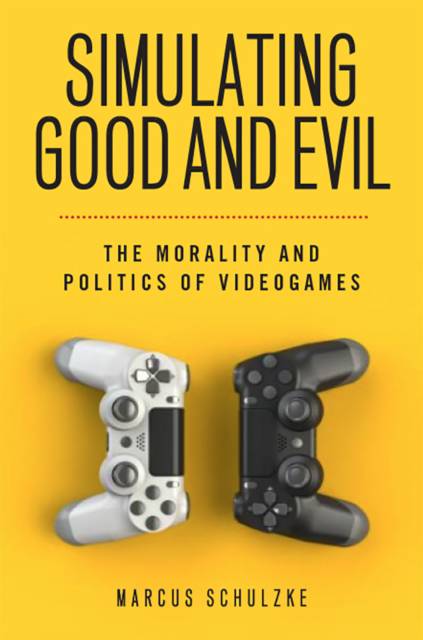
Simulating Good and Evil shows that the moral panic surrounding violent videogames is deeply misguided, and often politically motivated, but that games are nevertheless morally important. Simulated actions are morally defensible because they take place outside the real world and do not inflict real harms. Decades of research purporting to show that videogames are immoral has failed to produce convincing evidence of this. However, games are morally important because they simulate decisions that would have moral weight if they were set in the real world. Videogames should be seen as spaces in which players may experiment with moral reasoning strategies without taking any actions that would themselves be subject to moral evaluation. Some videogame content may be upsetting or offensive, but mere offense does not necessarily indicate a moral problem. Upsetting content is best understood by applying existing theories for evaluating political ideologies and offensive speech.
Specificaties
Betrokkenen
- Auteur(s):
- Uitgeverij:
Inhoud
- Aantal bladzijden:
- 222
- Taal:
- Engels
Eigenschappen
- Productcode (EAN):
- 9781978818569
- Verschijningsdatum:
- 17/09/2020
- Uitvoering:
- Paperback
- Formaat:
- Trade paperback (VS)
- Afmetingen:
- 155 mm x 226 mm
- Gewicht:
- 453 g


Alleen bij Standaard Boekhandel
+ 112 punten op je klantenkaart van Standaard Boekhandel
CADEAU

AANGERADEN


Beoordelingen
We publiceren alleen reviews die voldoen aan de voorwaarden voor reviews. Bekijk onze voorwaarden voor reviews.