


- Afhalen na 1 uur in een winkel met voorraad
- Gratis thuislevering in België vanaf € 30
- Ruim aanbod met 7 miljoen producten
- Afhalen na 1 uur in een winkel met voorraad
- Gratis thuislevering in België vanaf € 30
- Ruim aanbod met 7 miljoen producten





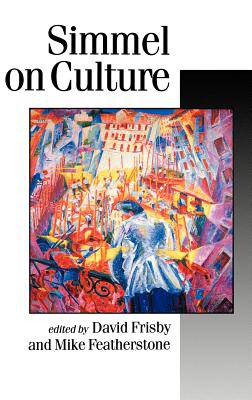
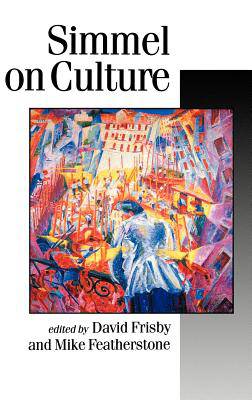
Simmel on Culture
Selected Writings
€ 413,95
+ 827 punten
Eenvoudig bestellen
Veilig betalen


Gratis thuislevering vanaf € 30 (via bpost)
Gratis levering in je Standaard Boekhandel
Omschrijving
This volume brings together for the first time a wide range of essays on culture and related themes by the sociologist and philosopher Georg Simmel (1858-1918). Simmel is now recognized as one of the leading social theorists active in Europe in the early part of the 20th century. This unique collection enables the reader to engage with the full range of SimmelÆs dazzling contributions to the study of culture. The collection opens with SimmelÆs most basic essays on defining culture, its changes, and its crisis. These are followed by more specific explorations of the culture of face-to-face interactions, spatial and urban culture, leisure culture, the culture of money and commodities, the culture of belief, and the politics of female culture. The collection includes a large number of previously untranslated essays together with others that are not readily available. The result is an unparalleled introduction to Simmel on culture. The book not only provides a missing piece in the history of cultural study, it also reveals a new way of studying culture. It will be essential reading for students of cultural studies and sociology.
Specificaties
Betrokkenen
- Uitgeverij:
Inhoud
- Aantal bladzijden:
- 320
- Taal:
- Engels
- Reeks:
Eigenschappen
- Productcode (EAN):
- 9780803986510
- Verschijningsdatum:
- 23/01/1998
- Uitvoering:
- Hardcover
- Formaat:
- Genaaid
- Afmetingen:
- 156 mm x 234 mm
- Gewicht:
- 612 g

Alleen bij Standaard Boekhandel
+ 827 punten op je klantenkaart van Standaard Boekhandel
CADEAU

AANGERADEN


Beoordelingen
We publiceren alleen reviews die voldoen aan de voorwaarden voor reviews. Bekijk onze voorwaarden voor reviews.