


- Afhalen na 1 uur in een winkel met voorraad
- Gratis thuislevering in België vanaf € 30
- Ruim aanbod met 7 miljoen producten
- Afhalen na 1 uur in een winkel met voorraad
- Gratis thuislevering in België vanaf € 30
- Ruim aanbod met 7 miljoen producten





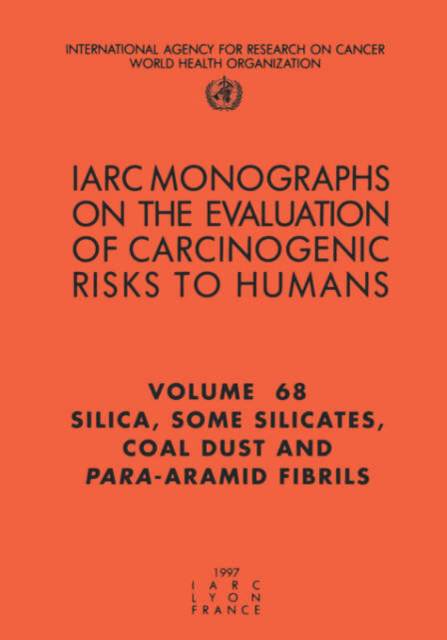
Silica, Some Silicates, Coal Dust and Para-Aramid Fibrils
Silica, Some Silicates, Coal Dust and Para-Aramid Fibrils
The International Agency for Research on Cancer
€ 73,95
+ 147 punten
Omschrijving
Evaluates the carcinogenic risks to humans posed by exposure to crystalline and amorphous silica, some silicates (palygorskite, sepiolite, wollastonite, and zeolites other than erionite), coal dust, and para-aramid fibrils. The volume opens with a discussion of the many complexities involved in assessing the cancer risks associated with occupational exposure to inhaled mineral dusts, and the special toxicological considerations required when evaluating the results of experimental studies. Against this background, the first and most extensive monograph evaluates human and animal carcinogenicity data on silica, concentrating on evidence of an increased risk for lung cancer. On the basis of this evaluation, crystalline silica inhaled in the form of quartz or cristobalite from occupational sources was classified as carcinogenic to humans. For amorphous silica, evidence from both epidemiological and experimental studies was judged inadequate, and amorphous silica could not be classified.
For palygorskite, the evaluation found sufficient evidence from studies in rats that long fibres were carcinogenic; studies of exposure to short fibres showed no significant increase in the incidence of tumours. The few studies in humans were judged inadequate. Long palygorskite fibres were classified as possibly carcinogenic to humans. Short fibres could not be classified.
For coal dust, several limitations in human studies, largely concerned with excessive mortality from lung and stomach cancer, hindered interpretation of the epidemiological literature. The few adequate experimental studies showed no increase in tumours. Coal dust therefore could not be classified. para-Aramid fibrils likewise could not be classifed in view of inadequates in both the epidemiological and experimental data.
For palygorskite, the evaluation found sufficient evidence from studies in rats that long fibres were carcinogenic; studies of exposure to short fibres showed no significant increase in the incidence of tumours. The few studies in humans were judged inadequate. Long palygorskite fibres were classified as possibly carcinogenic to humans. Short fibres could not be classified.
For coal dust, several limitations in human studies, largely concerned with excessive mortality from lung and stomach cancer, hindered interpretation of the epidemiological literature. The few adequate experimental studies showed no increase in tumours. Coal dust therefore could not be classified. para-Aramid fibrils likewise could not be classifed in view of inadequates in both the epidemiological and experimental data.
Specificaties
Betrokkenen
- Auteur(s):
- Uitgeverij:
Inhoud
- Aantal bladzijden:
- 506
- Taal:
- Engels
- Reeks:
- Reeksnummer:
- nr. 76
Eigenschappen
- Productcode (EAN):
- 9789283212683
- Verschijningsdatum:
- 30/12/1997
- Uitvoering:
- Paperback
- Formaat:
- Trade paperback (VS)
- Afmetingen:
- 178 mm x 254 mm
- Gewicht:
- 893 g


Alleen bij Standaard Boekhandel
+ 147 punten op je klantenkaart van Standaard Boekhandel

Beoordelingen
We publiceren alleen reviews die voldoen aan de voorwaarden voor reviews. Bekijk onze voorwaarden voor reviews.