


- Afhalen na 1 uur in een winkel met voorraad
- Gratis thuislevering in België vanaf € 30
- Ruim aanbod met 7 miljoen producten
- Afhalen na 1 uur in een winkel met voorraad
- Gratis thuislevering in België vanaf € 30
- Ruim aanbod met 7 miljoen producten





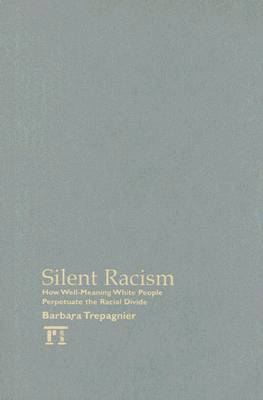
Silent Racism
How Well-Meaning White People Perpetuate the Racial Divide
Barbara Trepagnier
Hardcover | Engels
€ 256,95
+ 513 punten
Uitvoering
Omschrijving
Vivid and engaging, Silent Racism persuasively demonstrates that silent racism - racism by people who classify themselves as "not racist" - is instrumental in the production of institutional racism. Trepagnier argues that heightened race awareness is more important in changing racial inequality than judging whether individuals are racist. The collective voices and confessions of "non-racist" white women heard in this book help reveal that all individuals harbor some racist thoughts and feelings. Trepagnier uses vivid focus group interviews to argue that the oppositional categories of racist/not racist are outdated. The oppositional categories should be replaced in contemporary thought with a continuum model that more accurately portrays today's racial reality in the United States. A shift to a continuum model can raise the race awareness of well-meaning white people and improve race relations. Offering a fresh approach, Silent Racism is an essential resource for teaching and thinking about racism in the twenty-first century.
Specificaties
Betrokkenen
- Auteur(s):
- Uitgeverij:
Inhoud
- Aantal bladzijden:
- 192
- Taal:
- Engels
Eigenschappen
- Productcode (EAN):
- 9781594512124
- Verschijningsdatum:
- 1/08/2006
- Uitvoering:
- Hardcover
- Formaat:
- Ongenaaid / garenloos gebonden
- Afmetingen:
- 159 mm x 236 mm
- Gewicht:
- 399 g


Alleen bij Standaard Boekhandel
+ 513 punten op je klantenkaart van Standaard Boekhandel
Cadeau

AANGERADEN


Beoordelingen
We publiceren alleen reviews die voldoen aan de voorwaarden voor reviews. Bekijk onze voorwaarden voor reviews.