



- Afhalen na 1 uur in een winkel met voorraad
- In januari gratis thuislevering in België
- Ruim aanbod met 7 miljoen producten
- Afhalen na 1 uur in een winkel met voorraad
- In januari gratis thuislevering in België
- Ruim aanbod met 7 miljoen producten





€ 45,95
+ 91 punten
Omschrijving
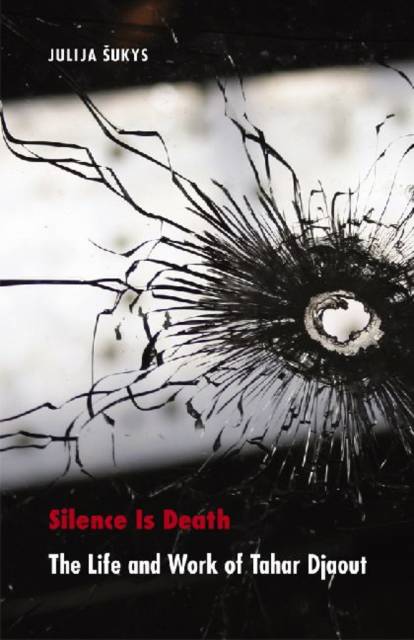
On May 26, 1993, the Algerian novelist and poet Tahar Djaout was gunned down in an attack attributed to Islamist extremists. An outspoken critic of the extremism roiling his nation, Djaout, in his death, became a powerful symbol for the "murder of Algerian culture," as scores of journalists, writers, and scholars were targeted in a swelling wave of violence. The author of twelve books of fiction and poetry, Djaout was murdered at a critical point in his career, just as his literary voice was maturing. His death was a great loss not only for Algeria and for Francophone literature but also for world literature. Rage at the news of his slaying was explosive but did nothing to quell the increasing bloodshed. Silence Is Death considers the life and work of Djaout in light of his murder and his role in the conflict that raged between Islamist terrorist cells and Algeria's military regime in the 1990s. The result is an innovative meditation on death, authorship, and the political role of intellectuals. By collapsing the genres of history, biography, personal memoir, fiction, and cultural analysis, Julija Sukys investigates notions of authorial neutrality as well as the relationship between reader and writer in life and in death. Her work offers a view of reading as an encounter across time and place and opens the possibility of a relationship between different cultures under peaceful terms.
Specificaties
Betrokkenen
- Auteur(s):
- Uitgeverij:
Inhoud
- Aantal bladzijden:
- 202
- Taal:
- Engels
- Reeks:
Eigenschappen
- Productcode (EAN):
- 9780803243200
- Verschijningsdatum:
- 1/05/2007
- Uitvoering:
- Hardcover
- Formaat:
- Genaaid
- Afmetingen:
- 165 mm x 218 mm
- Gewicht:
- 394 g



Alleen bij Standaard Boekhandel
+ 91 punten op je klantenkaart van Standaard Boekhandel
Cadeau

AANGERADEN


Beoordelingen
We publiceren alleen reviews die voldoen aan de voorwaarden voor reviews. Bekijk onze voorwaarden voor reviews.