


- Afhalen na 1 uur in een winkel met voorraad
- Gratis thuislevering in België vanaf € 30
- Ruim aanbod met 7 miljoen producten
- Afhalen na 1 uur in een winkel met voorraad
- Gratis thuislevering in België vanaf € 30
- Ruim aanbod met 7 miljoen producten





€ 79,45
+ 158 punten
Uitvoering
Omschrijving
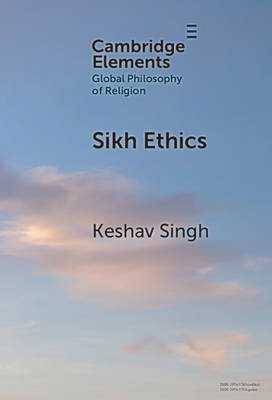
Like many other world religious and spiritual traditions, the Sikh tradition is philosophically rich. However, its contributions have been wholly unrepresented in Western analytic philosophy. The goal of this Element is to present a central aspect of Sikh philosophy, its ethics, by using the tools and methods of analytic philosophy to reconstruct it in a form that is understandable to Western audiences, while still accurately capturing its unique and autochthonous features. On the interpretation of Sikh ethics this Element presents, the Sikh ethical theory understands ethics in terms of truthful living - in particular, living in a way that is true to the fundamental Oneness of all existence. Features of the Sikh ethical theory discussed include its account of vice and virtue, its account of right conduct, and the philosophical relationship between ethical theory and practice. This title is also available as Open Access on Cambridge Core.
Specificaties
Betrokkenen
- Auteur(s):
- Uitgeverij:
Inhoud
- Aantal bladzijden:
- 75
- Taal:
- Engels
- Reeks:
Eigenschappen
- Productcode (EAN):
- 9781009452304
- Verschijningsdatum:
- 30/06/2026
- Uitvoering:
- Hardcover
- Formaat:
- Genaaid


Alleen bij Standaard Boekhandel
+ 158 punten op je klantenkaart van Standaard Boekhandel
Cadeau

AANGERADEN


Beoordelingen
We publiceren alleen reviews die voldoen aan de voorwaarden voor reviews. Bekijk onze voorwaarden voor reviews.