


- Afhalen na 1 uur in een winkel met voorraad
- Gratis thuislevering in België vanaf € 30
- Ruim aanbod met 7 miljoen producten
- Afhalen na 1 uur in een winkel met voorraad
- Gratis thuislevering in België vanaf € 30
- Ruim aanbod met 7 miljoen producten





€ 386,95
+ 773 punten
Omschrijving
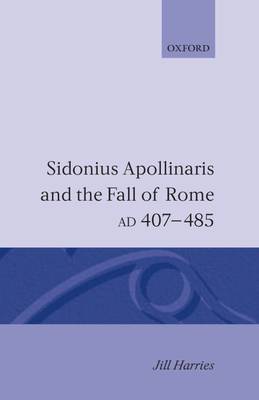
The fifth century AD was a period of military turmoil and political upheaval in Western Europe. The career of the Gallo-Roman senator and bishop, Sidonius Apollinaris (c. 430-c. 485), holder of government office under three Roman emperors and later bishop of Clermont Ferrand, vividly illustrates the processes which undermined Roman rule. Both a career politician and an ardent Christian, Sidonius in his writings reveals both the confusion of loyalties afflicting an aristocracy under threat, and the compromises necessary for survival. Harries argues that Sidonius adapted literary conventions and exploited accepted techniques of allusion to explain his dilemmas, justify his own role, and convey his personal understanding of, and response to, the fall of Rome.
Specificaties
Betrokkenen
- Auteur(s):
- Uitgeverij:
Inhoud
- Aantal bladzijden:
- 306
- Taal:
- Engels
Eigenschappen
- Productcode (EAN):
- 9780198144724
- Verschijningsdatum:
- 16/02/1995
- Uitvoering:
- Hardcover
- Formaat:
- Genaaid
- Afmetingen:
- 164 mm x 223 mm
- Gewicht:
- 530 g


Alleen bij Standaard Boekhandel
+ 773 punten op je klantenkaart van Standaard Boekhandel
Cadeau

AANGERADEN


Beoordelingen
We publiceren alleen reviews die voldoen aan de voorwaarden voor reviews. Bekijk onze voorwaarden voor reviews.