


- Afhalen na 1 uur in een winkel met voorraad
- Gratis thuislevering in België vanaf € 30
- Ruim aanbod met 7 miljoen producten
- Afhalen na 1 uur in een winkel met voorraad
- Gratis thuislevering in België vanaf € 30
- Ruim aanbod met 7 miljoen producten





Omschrijving
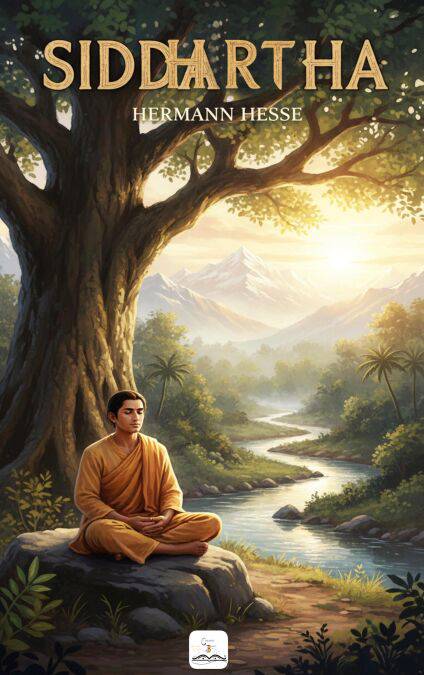
Siddhartha is a novel by Hermann Hesse that deals with the spiritual journey of self-discovery of a man named Siddhartha during the time of the Gautama Buddha.
The book, Hesse's ninth novel (1922), was written in German, in a simple, lyrical style. It was published in the U.S. in 1951 and became influential during the 1960s. Hesse dedicated Siddhartha to his wife Ninon ("Meiner Frau Ninon gewidmet ") and supposedly afterwards to Romain Rolland and Wilhelm Gundert.
The word Siddhartha is made up of two words in the Sanskrit language, siddha (achieved) + artha (meaning or wealth), which together means "he who has found meaning (of existence)" or "he who has attained his goals". In fact, the Buddha's own name, before his renunciation, was Siddhartha Gautama, Prince of Kapilvastu, Nepal. In this book, the Buddha is referred to as "Gotama".
The book, Hesse's ninth novel (1922), was written in German, in a simple, lyrical style. It was published in the U.S. in 1951 and became influential during the 1960s. Hesse dedicated Siddhartha to his wife Ninon ("Meiner Frau Ninon gewidmet ") and supposedly afterwards to Romain Rolland and Wilhelm Gundert.
The word Siddhartha is made up of two words in the Sanskrit language, siddha (achieved) + artha (meaning or wealth), which together means "he who has found meaning (of existence)" or "he who has attained his goals". In fact, the Buddha's own name, before his renunciation, was Siddhartha Gautama, Prince of Kapilvastu, Nepal. In this book, the Buddha is referred to as "Gotama".
Specificaties
Betrokkenen
- Auteur(s):
- Uitgeverij:
Inhoud
- Aantal bladzijden:
- 157
- Taal:
- Engels
Eigenschappen
- Productcode (EAN):
- 9786253876876
- Verschijningsdatum:
- 28/04/2026
- Uitvoering:
- E-book
- Beveiligd met:
- Digital watermarking
- Formaat:
- ePub



Alleen bij Standaard Boekhandel
+ 4 punten op je klantenkaart van Standaard Boekhandel
CADEAU

AANGERADEN


Beoordelingen
We publiceren alleen reviews die voldoen aan de voorwaarden voor reviews. Bekijk onze voorwaarden voor reviews.