


- Afhalen na 1 uur in een winkel met voorraad
- Gratis thuislevering in België vanaf € 30
- Ruim aanbod met 7 miljoen producten
- Afhalen na 1 uur in een winkel met voorraad
- Gratis thuislevering in België vanaf € 30
- Ruim aanbod met 7 miljoen producten





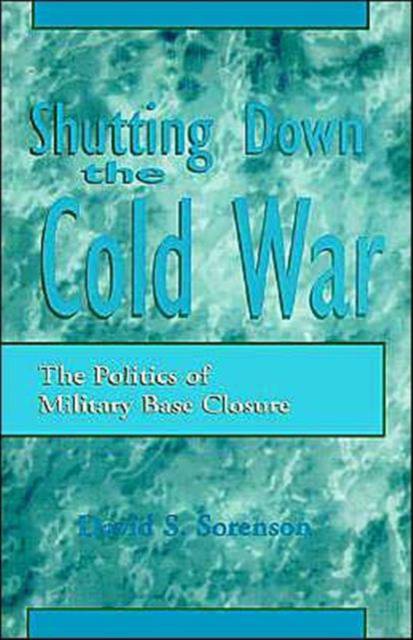
Shutting Down the Cold War
The Politics of Military Base Closure
David S Sorenson
Hardcover | Engels
€ 152,95
+ 305 punten
Omschrijving
In a process described by its critics as 'brutal' and 'heartless, ' a group of faceless commissioners closed down almost 100 military bases between 1989 and 1995. The process was hailed as a means to 'take politics out of base closure, ' and it succeeded insofar as surplus bases closed after a ten-year hiatus. But, as this book indicates, the politics of base protection continued. In Shutting Down the Cold War, David Sorenson finds that the most powerful congressional representatives protected bases in their states and districts, and as a consequence the military never got as many bases closed as they desired. In this volume Sorenson unveils the political factors behind the process of military base closure, using three analytical models to examine the different levels of response to the procedure. He also reveals the ways in which base closure is a classic example of governmental reduction, to be studied for lessons about both the benefits and the hazards of government contraction.
Specificaties
Betrokkenen
- Auteur(s):
- Uitgeverij:
Inhoud
- Aantal bladzijden:
- 308
- Taal:
- Engels
Eigenschappen
- Productcode (EAN):
- 9780312210908
- Verschijningsdatum:
- 11/08/1998
- Uitvoering:
- Hardcover
- Formaat:
- Genaaid
- Afmetingen:
- 146 mm x 216 mm
- Gewicht:
- 485 g


Alleen bij Standaard Boekhandel
+ 305 punten op je klantenkaart van Standaard Boekhandel
Cadeau

AANGERADEN


Beoordelingen
We publiceren alleen reviews die voldoen aan de voorwaarden voor reviews. Bekijk onze voorwaarden voor reviews.