


- Afhalen na 1 uur in een winkel met voorraad
- Gratis thuislevering in België vanaf € 30
- Ruim aanbod met 7 miljoen producten
- Afhalen na 1 uur in een winkel met voorraad
- Gratis thuislevering in België vanaf € 30
- Ruim aanbod met 7 miljoen producten





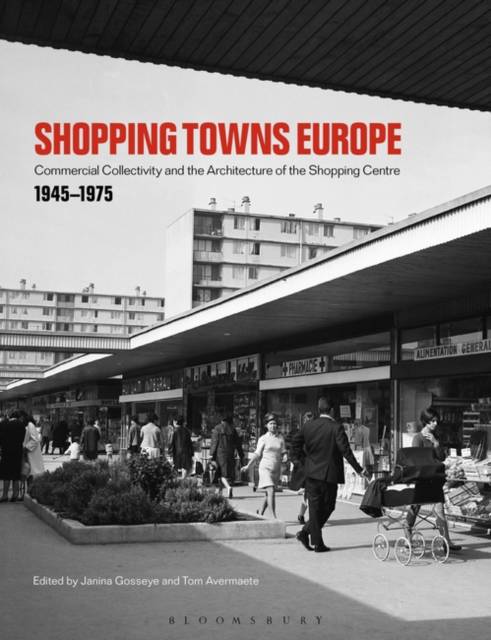
Shopping Towns Europe
Commercial Collectivity and the Architecture of the Shopping Centre, 1945-1975
Janina Gosseye, Tom Avermaete
Paperback | Engels
€ 76,45
+ 152 punten
Omschrijving
Shopping Towns Europe is the first book to explore the introduction and dissemination of the shopping centre in Europe.
European shopping centres are often assumed to be no more than carbon copies of their American precursors - however the wide-ranging case studies featured in this book reveal a very different story. Drawing connections between architectural history, political economy and commerce, together these studies tell us much about the status and role of modernist design, the history of consumption, and the rapidly-changing social, urban, and national contexts of post-war Europe. The book's 18 chapters explore case studies spanning the continent on both sides of the Iron Curtain, from Britain and The Netherlands to Sweden and the USSR. The focus is on the three decades following the first introduction of the new typology in 1945, tracing the variety of typological manifestations that occurred in widely different contexts, from Keynesianism to communism to military dictatorship. The book also explores the role of the shopping centre in urban reconstruction, and examines how new shopping centres were designed to elicit specifically modern behaviour and introduce new conceptions of collectivity into citizens' everyday lives. Please note that due to permissions restrictions, several images which do appear in the print edition of this book do not feature in the ebook versions.Specificaties
Betrokkenen
- Auteur(s):
- Uitgeverij:
Inhoud
- Aantal bladzijden:
- 272
- Taal:
- Engels
Eigenschappen
- Productcode (EAN):
- 9781350154452
- Verschijningsdatum:
- 6/02/2020
- Uitvoering:
- Paperback
- Formaat:
- Trade paperback (VS)
- Afmetingen:
- 189 mm x 246 mm
- Gewicht:
- 485 g



Alleen bij Standaard Boekhandel
+ 152 punten op je klantenkaart van Standaard Boekhandel
Cadeau

AANGERADEN


Beoordelingen
We publiceren alleen reviews die voldoen aan de voorwaarden voor reviews. Bekijk onze voorwaarden voor reviews.