


- Afhalen na 1 uur in een winkel met voorraad
- Gratis thuislevering in België vanaf € 30
- Ruim aanbod met 7 miljoen producten
- Afhalen na 1 uur in een winkel met voorraad
- Gratis thuislevering in België vanaf € 30
- Ruim aanbod met 7 miljoen producten





€ 36,95
+ 73 punten
Omschrijving
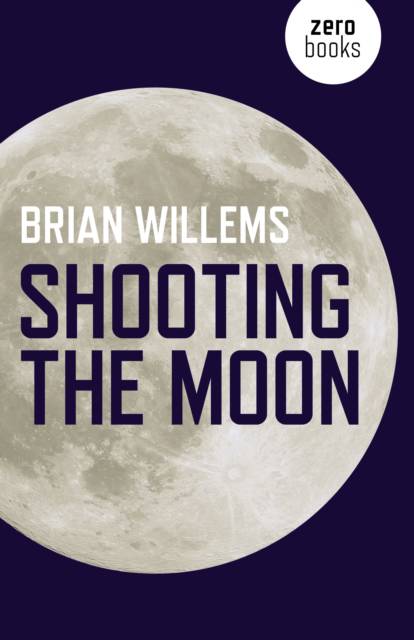
Films about the moon show that even after the lunar landing of 1969 our celestial neighbor has lost none of its aptitude for being made of green cheese. In fact, as soon as you put the moon on screen it is lost. This is equally true for a wide range of moon films, including the theatricality of Méliès, the incredulity of camp, the illegibility of footage shot by Apollo astronauts and the revisionary history of Transformers 3. Yet, as paradoxical as it might seem at first, it is only when we "lose sight" of the moon that lunar truths begin to come forth. This is because fantastic elements of the moon--by their mere absurdity--can indicate non-fantastic elements. However, what is of interest here is not realistic or fantastic lunar truths but rather that the moon is an object which invites, or even demands, more than one truth at once.
Specificaties
Betrokkenen
- Auteur(s):
- Uitgeverij:
Inhoud
- Aantal bladzijden:
- 221
- Taal:
- Engels
Eigenschappen
- Productcode (EAN):
- 9781782798484
- Verschijningsdatum:
- 29/05/2015
- Uitvoering:
- Paperback
- Formaat:
- Trade paperback (VS)
- Afmetingen:
- 137 mm x 213 mm
- Gewicht:
- 181 g



Alleen bij Standaard Boekhandel
+ 73 punten op je klantenkaart van Standaard Boekhandel
Cadeau

AANGERADEN


Beoordelingen
We publiceren alleen reviews die voldoen aan de voorwaarden voor reviews. Bekijk onze voorwaarden voor reviews.