


- Afhalen na 1 uur in een winkel met voorraad
- Gratis thuislevering in België vanaf € 30
- Ruim aanbod met 7 miljoen producten
- Afhalen na 1 uur in een winkel met voorraad
- Gratis thuislevering in België vanaf € 30
- Ruim aanbod met 7 miljoen producten





€ 17,88
+ 17 punten
Uitvoering
Omschrijving
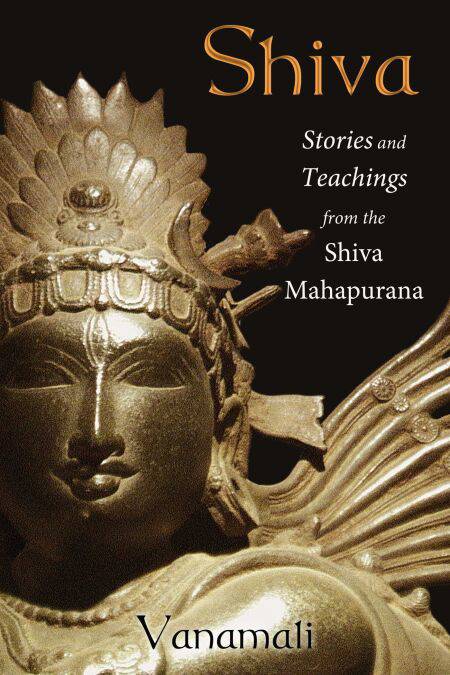
The traditional understanding of Shiva told through stories and teachings from the Shiva Mahapurana
• Explains Shiva’s contradictory forms, such as destroyer or benefactor, and how his form depends on the needs of the devotee
• Reveals how Shiva’s teachings allow one to see through the illusions at the root of all grief and alienation in human life
• Explores Shiva’s relationships with Durga, Shakti, Sati, and Parvati and with his sons Ganesha and Kartikeya
Shiva, the most ancient and complex deity of the Hindu pantheon, has been portrayed in many contrasting lights: destroyer and benefactor, ascetic and householder, wild demon slayer and calm yogi atop Mount Kailash. Drawing from the Hindu sacred text the Shiva Mahapurana--said to be written by Shiva himself--Vanamali selects the essential stories of Shiva, both those from his dark wild side and those from his benevolent peaceful side.
Vanamali discusses Shiva’s many avatars such as Shambunatha and Bhola, as well as Dakshinamurti who taught the shastras and tantras to the rishis. She explores Shiva’s relationships with Durga, Shakti, Sati, and Parvati and with his sons Ganesha and Kartikeya. Examining Shiva’s acceptance of outsiders, Vanamali explains why ghosts and ghouls are his attendants and why his greatest devotees are demon kings, like Ravana. She includes famous Shiva stories such as the Descent of the River Ganga and Churning the Milky Ocean as well as those that reveal the origin of the festival of lights, Diwali; his creation of the cosmic couple, or hierogamos; and how Shiva and Parvati taught the world the secrets of Kundalini Shakti. The author also draws upon Shaivite teachings to illustrate the differences between Western science and Vedic science and their explanations for the origins of consciousness.
Integrating Shiva’s two sides, the fierce and the peaceful, Vanamali reveals that Shiva’s form depends on the needs of the devotee. Understanding his teachings allows one to see through the illusions at the root of all grief and alienation in human life, for Shiva is the wielder of maya who does not fall under its spell. While Ganesha is known as the remover of obstacles, Shiva is the remover of tears.
• Explains Shiva’s contradictory forms, such as destroyer or benefactor, and how his form depends on the needs of the devotee
• Reveals how Shiva’s teachings allow one to see through the illusions at the root of all grief and alienation in human life
• Explores Shiva’s relationships with Durga, Shakti, Sati, and Parvati and with his sons Ganesha and Kartikeya
Shiva, the most ancient and complex deity of the Hindu pantheon, has been portrayed in many contrasting lights: destroyer and benefactor, ascetic and householder, wild demon slayer and calm yogi atop Mount Kailash. Drawing from the Hindu sacred text the Shiva Mahapurana--said to be written by Shiva himself--Vanamali selects the essential stories of Shiva, both those from his dark wild side and those from his benevolent peaceful side.
Vanamali discusses Shiva’s many avatars such as Shambunatha and Bhola, as well as Dakshinamurti who taught the shastras and tantras to the rishis. She explores Shiva’s relationships with Durga, Shakti, Sati, and Parvati and with his sons Ganesha and Kartikeya. Examining Shiva’s acceptance of outsiders, Vanamali explains why ghosts and ghouls are his attendants and why his greatest devotees are demon kings, like Ravana. She includes famous Shiva stories such as the Descent of the River Ganga and Churning the Milky Ocean as well as those that reveal the origin of the festival of lights, Diwali; his creation of the cosmic couple, or hierogamos; and how Shiva and Parvati taught the world the secrets of Kundalini Shakti. The author also draws upon Shaivite teachings to illustrate the differences between Western science and Vedic science and their explanations for the origins of consciousness.
Integrating Shiva’s two sides, the fierce and the peaceful, Vanamali reveals that Shiva’s form depends on the needs of the devotee. Understanding his teachings allows one to see through the illusions at the root of all grief and alienation in human life, for Shiva is the wielder of maya who does not fall under its spell. While Ganesha is known as the remover of obstacles, Shiva is the remover of tears.
Specificaties
Betrokkenen
- Auteur(s):
- Uitgeverij:
Inhoud
- Aantal bladzijden:
- 272
- Taal:
- Engels
- Reeks:
Eigenschappen
- Productcode (EAN):
- 9781620552490
- Verschijningsdatum:
- 03/10/2013
- Uitvoering:
- E-book
- Beveiligd met:
- Adobe DRM
- Formaat:
- ePub



Alleen bij Standaard Boekhandel
+ 17 punten op je klantenkaart van Standaard Boekhandel
Cadeau

AANGERADEN


Beoordelingen
We publiceren alleen reviews die voldoen aan de voorwaarden voor reviews. Bekijk onze voorwaarden voor reviews.