


- Afhalen na 1 uur in een winkel met voorraad
- Gratis thuislevering in België vanaf € 30
- Ruim aanbod met 7 miljoen producten
- Afhalen na 1 uur in een winkel met voorraad
- Gratis thuislevering in België vanaf € 30
- Ruim aanbod met 7 miljoen producten




€ 115,45
+ 230 punten
Omschrijving
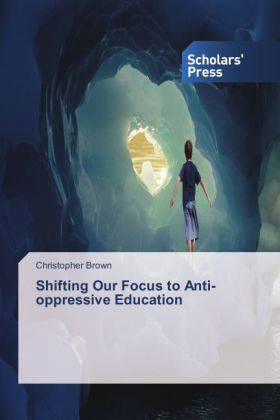
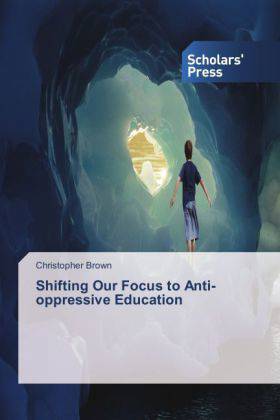
This book is based on a study of a graduate program that focused on anti-oppressive education. The author discusses how anti-oppressive education consists of inclusive, critical, and poststructural dimensions that work in different ways to support the perspective transformation of learners. The author leads readers through his experience learning about anti-oppressive education and how he, and other participants, changed. The author answers the following questions: What experiences and instructional aspects of the anti-oppressive education course did participants find significant in relation to their sense of transformation? How did the different anti-oppressive educational theories and practices affect the participants? To what extent did the different dimensions of anti-oppressive education discomfort the participants emotionally and precipitate perspective transformation? How did participants understand their identities to have changed? Did participants enact teacher activism that would be evidence of transformation? What were the personal changes of participants participating in the course? As well, the author suggests ways to enhance anti-oppressive education.
Specificaties
Betrokkenen
- Auteur(s):
- Uitgeverij:
Inhoud
- Aantal bladzijden:
- 392
- Taal:
- Engels
Eigenschappen
- Productcode (EAN):
- 9783639715767
- Verschijningsdatum:
- 6/05/2014
- Uitvoering:
- Paperback
- Afmetingen:
- 150 mm x 220 mm
- Gewicht:
- 572 g


Alleen bij Standaard Boekhandel
+ 230 punten op je klantenkaart van Standaard Boekhandel
AANGERADEN


Beoordelingen
We publiceren alleen reviews die voldoen aan de voorwaarden voor reviews. Bekijk onze voorwaarden voor reviews.