


- Afhalen na 1 uur in een winkel met voorraad
- Gratis thuislevering in België vanaf € 30
- Ruim aanbod met 7 miljoen producten
- Afhalen na 1 uur in een winkel met voorraad
- Gratis thuislevering in België vanaf € 30
- Ruim aanbod met 7 miljoen producten




€ 20,12
+ 20 punten
Uitvoering
Omschrijving
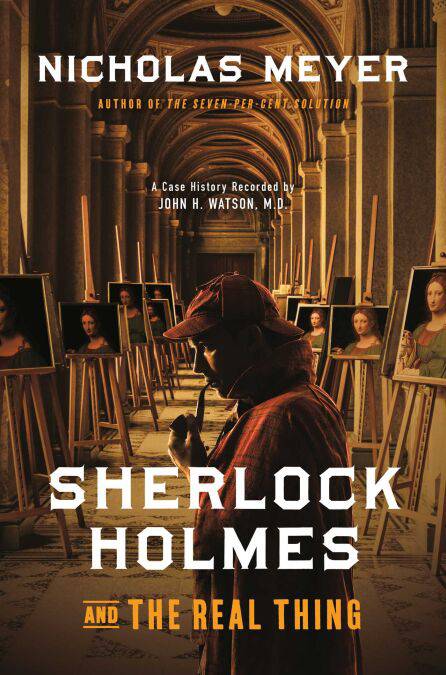
London, 189–: The great city is brought to a standstill by a series of blizzards and Sherlock Holmes is bored to distraction. It would take a miracle to bring a case to the detective's door. . .
What arrives is not promising: a landlady who complains her artist tenant is behind on rent. Not exactly the miracle for which Holmes was hoping. But, next thing you know, there are several corpses and Sherlock Holmes and his biographer, John H. Watson, MD, find themselves drawn into one of the most bizarre cases of the great detective's career. And into the cutthroat big business of Art, where chicanery and mendacity (and cut throats) proliferate. What makes a work of art worth killing for? Is it the artist, his mistress, his dealer, or his blackmailer? The cast of characters is large. But are they perpetrators, accomplices, or victims? And just who is Juliet Packwood, with whom Watson has become infatuated?
Oh, and there's one other problem: Is this a genuine Holmes case or a clever forgery? Is this the real thing?If you can't tell the difference, what is the difference?
What arrives is not promising: a landlady who complains her artist tenant is behind on rent. Not exactly the miracle for which Holmes was hoping. But, next thing you know, there are several corpses and Sherlock Holmes and his biographer, John H. Watson, MD, find themselves drawn into one of the most bizarre cases of the great detective's career. And into the cutthroat big business of Art, where chicanery and mendacity (and cut throats) proliferate. What makes a work of art worth killing for? Is it the artist, his mistress, his dealer, or his blackmailer? The cast of characters is large. But are they perpetrators, accomplices, or victims? And just who is Juliet Packwood, with whom Watson has become infatuated?
Oh, and there's one other problem: Is this a genuine Holmes case or a clever forgery? Is this the real thing?If you can't tell the difference, what is the difference?
Specificaties
Betrokkenen
- Auteur(s):
- Uitgeverij:
Inhoud
- Aantal bladzijden:
- 264
- Taal:
- Engels
Eigenschappen
- Productcode (EAN):
- 9781613166574
- Verschijningsdatum:
- 25/08/2025
- Uitvoering:
- E-book
- Beveiligd met:
- Adobe DRM
- Formaat:
- ePub



Alleen bij Standaard Boekhandel
+ 20 punten op je klantenkaart van Standaard Boekhandel
AANGERADEN


Beoordelingen
We publiceren alleen reviews die voldoen aan de voorwaarden voor reviews. Bekijk onze voorwaarden voor reviews.