


- Afhalen na 1 uur in een winkel met voorraad
- Gratis thuislevering in België vanaf € 30
- Ruim aanbod met 7 miljoen producten
- Afhalen na 1 uur in een winkel met voorraad
- Gratis thuislevering in België vanaf € 30
- Ruim aanbod met 7 miljoen producten





€ 58,30
+ 116 punten
Omschrijving
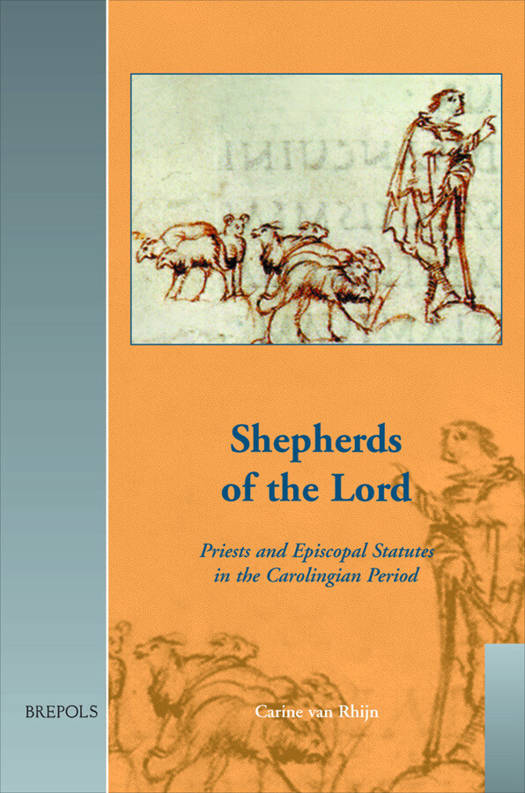
This book is the first study of the rural priesthood, its significance, and the statutes written for them in the time of the Carolingians. It seeks to trace and explain the rise and emergence in the Carolingian period of both local priests and episcopal statutes that aimed at steering their behaviour. It was in the context of Carolingian ideals of reform, formulated in court-centred circles from the late eighth century onwards, that local priests increasingly came to be seen as those that held the key to turning the local Frankish population into ideal Christians by their word and living example. First of all, however, these educators needed to be educated themselves, hence the emergence of the Episcopal statutes, a new tool to direct the local diocesan clergy into becoming the ideal 'Shepherds of the Lord' that they needed to be. Smooth as this process of empire-wide reform theoretically was, however, obstacles lurked, both from a top-down (episcopal) and a grass-roots (local) perspective on the status, role, and function of priests. Nevertheless, the ninth century saw the emergence of the priesthood and the development of their role as an important group that connected bishops with the lay inhabitants of their dioceses and, from a higher-up perspective, those who opened up the vast Carolingian country-side to the implementation of the ideal society in the minds of contemporary reformers.
Specificaties
Betrokkenen
- Auteur(s):
- Uitgeverij:
Inhoud
- Aantal bladzijden:
- 254
- Taal:
- Engels
- Reeks:
- Reeksnummer:
- nr. 6
Eigenschappen
- Productcode (EAN):
- 9782503523194
- Verschijningsdatum:
- 7/08/2007
- Uitvoering:
- Hardcover
- Formaat:
- Genaaid
- Afmetingen:
- 165 mm x 244 mm
- Gewicht:
- 598 g


Alleen bij Standaard Boekhandel
+ 116 punten op je klantenkaart van Standaard Boekhandel
Cadeau

AANGERADEN


Beoordelingen
We publiceren alleen reviews die voldoen aan de voorwaarden voor reviews. Bekijk onze voorwaarden voor reviews.