


- Afhalen na 1 uur in een winkel met voorraad
- Gratis thuislevering in België vanaf € 30
- Ruim aanbod met 7 miljoen producten
- Afhalen na 1 uur in een winkel met voorraad
- Gratis thuislevering in België vanaf € 30
- Ruim aanbod met 7 miljoen producten





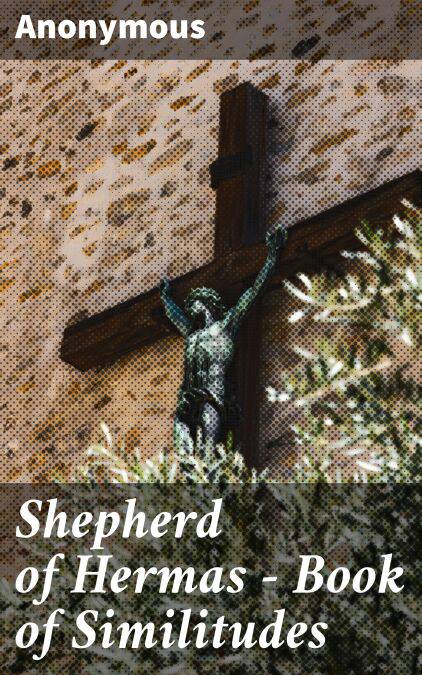
Shepherd of Hermas - Book of Similitudes E-BOOK
Allegorical Stories of Spiritual Wisdom
E-book | Engels
€ 1,99
+ 1 punten
Omschrijving
The Shepherd of Hermas - Book of Similitudes, attributed to the author known only as Anonymous, is a notable piece of early Christian literature from the 2nd century AD. This book is part of the larger work known as The Shepherd of Hermas, composed of various visions, commands, and similitudes that reflect the Christian moral and ethical teachings of its time. The Book of Similitudes contains a series of allegorical stories meant to offer spiritual guidance and wisdom to its readers. The literary style is characterized by its vivid imagery and symbolic storytelling, typical of early Christian writings. These similitudes are filled with moral lessons that are relevant even in today's context, making it a timeless piece of Christian literature. Anonymous' use of symbolism and allegory creates a rich and engaging reading experience for those interested in early Christian teachings and literature. The author's deep understanding of Christian doctrine and the need for spiritual instruction likely inspired the writing of The Shepherd of Hermas - Book of Similitudes. As a significant text in early Christian literature, this book serves as a valuable resource for scholars and readers interested in the development of Christian thought and ethics. It is a recommended read for those seeking spiritual guidance and insight into the moral teachings of the early Christian church.
Specificaties
Betrokkenen
- Vertaler(s):
- Uitgeverij:
Inhoud
- Aantal bladzijden:
- 52
- Taal:
- Engels
Eigenschappen
- Productcode (EAN):
- 4064066467883
- Verschijningsdatum:
- 9/04/2021
- Uitvoering:
- E-book
- Beveiligd met:
- Digital watermarking
- Formaat:
- ePub

Alleen bij Standaard Boekhandel
+ 1 punten op je klantenkaart van Standaard Boekhandel
AANGERADEN


Beoordelingen
We publiceren alleen reviews die voldoen aan de voorwaarden voor reviews. Bekijk onze voorwaarden voor reviews.