


- Afhalen na 1 uur in een winkel met voorraad
- Gratis thuislevering in België vanaf € 30
- Ruim aanbod met 7 miljoen producten
- Afhalen na 1 uur in een winkel met voorraad
- Gratis thuislevering in België vanaf € 30
- Ruim aanbod met 7 miljoen producten





Omschrijving
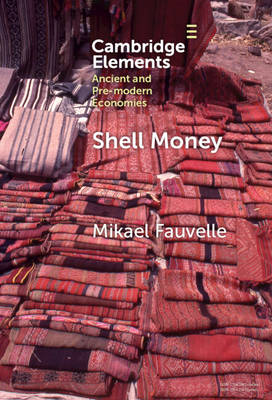
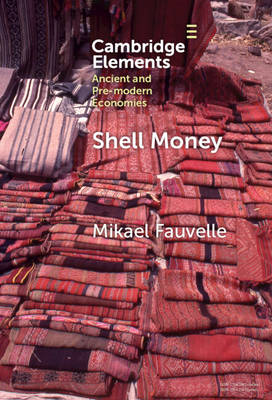
Where, when, and under what circumstances did money first emerge? This Element examines this question through a comparative study of the use of shells to facilitate trade and exchange in ancient societies around the world. It argues that shell money was a form of social technology that expanded political-economic capacities by enabling long-distance trade across boundaries and between strangers. The Element examines several cases in which shells and shell beads permeated throughout daily life and became central to the economic functioning of the societies that used them. In several of these cases, it argues that shells were used in ways that meet all the standard definitions of modern money. By examining the wide range of uses of shell money in ancient economic systems around the world, this Element explores the diversity of forms that money has taken throughout human history. This title is also available as Open Access on Cambridge Core.
Specificaties
Betrokkenen
- Auteur(s):
- Uitgeverij:
Inhoud
- Aantal bladzijden:
- 86
- Taal:
- Engels
- Reeks:
Eigenschappen
- Productcode (EAN):
- 9781009494434
- Verschijningsdatum:
- 21/03/2024
- Uitvoering:
- Hardcover
- Formaat:
- Genaaid
- Afmetingen:
- 152 mm x 229 mm
- Gewicht:
- 285 g


Alleen bij Standaard Boekhandel
+ 248 punten op je klantenkaart van Standaard Boekhandel
CADEAU

AANGERADEN


Beoordelingen
We publiceren alleen reviews die voldoen aan de voorwaarden voor reviews. Bekijk onze voorwaarden voor reviews.