



Je cadeautjes zeker op tijd in huis hebben voor de feestdagen? Kom langs in onze winkels en vind het perfecte geschenk!
- Afhalen na 1 uur in een winkel met voorraad
- Gratis thuislevering in België vanaf € 30
- Ruim aanbod met 7 miljoen producten
Je cadeautjes zeker op tijd in huis hebben voor de feestdagen? Kom langs in onze winkels en vind het perfecte geschenk!
- Afhalen na 1 uur in een winkel met voorraad
- Gratis thuislevering in België vanaf € 30
- Ruim aanbod met 7 miljoen producten





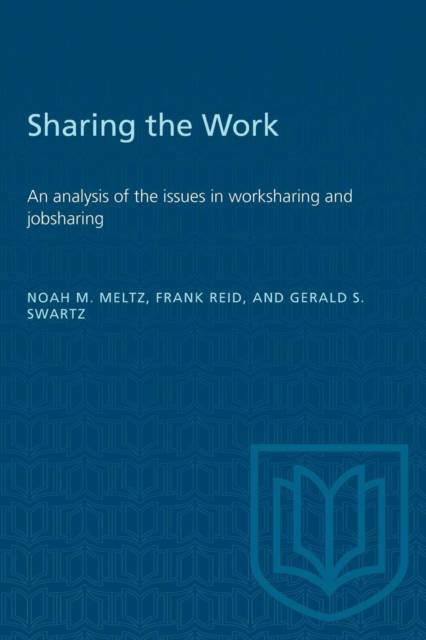
Sharing the work
An analysis of the issues in worksharing and jobsharing
Noah Meltz, Frank Reid, Gerald Swartz
€ 33,95
+ 67 punten
Omschrijving
One answer to unemployment is to spread available opportunities among more people. This book examines the advantages and disadvantages for labour, management, and government of two related types of innovative work arrangements: worksharing - the shortening of the work week to prevent layoffs; and jobsharing - the conversion of full-time jobs into permanent part-time positions to suit changing employee preferences.
The effect of such a plan is studied in relation to costs to the government, unemployment rates, work incentives, and employer's labour costs. The impact on junior and senior employees, and on the union, is also considered.
In relation to jobsharing, the authors predict a continuing increase in the number of persons preferring permanent part-time employment. This comes from the rising number of multiple-earner families, changing values about male and female roles in the labour force, and the desire for a more flexible and gradual approach to retirement. The authors conclude with recommendation for policy changes to encourage worksharing and accommodate jobsharing.
The effect of such a plan is studied in relation to costs to the government, unemployment rates, work incentives, and employer's labour costs. The impact on junior and senior employees, and on the union, is also considered.
In relation to jobsharing, the authors predict a continuing increase in the number of persons preferring permanent part-time employment. This comes from the rising number of multiple-earner families, changing values about male and female roles in the labour force, and the desire for a more flexible and gradual approach to retirement. The authors conclude with recommendation for policy changes to encourage worksharing and accommodate jobsharing.
Specificaties
Betrokkenen
- Auteur(s):
- Uitgeverij:
Inhoud
- Aantal bladzijden:
- 96
- Taal:
- Engels
- Reeks:
Eigenschappen
- Productcode (EAN):
- 9780802023834
- Verschijningsdatum:
- 15/12/1981
- Uitvoering:
- Paperback
- Formaat:
- Trade paperback (VS)
- Afmetingen:
- 156 mm x 234 mm
- Gewicht:
- 149 g


Alleen bij Standaard Boekhandel
+ 67 punten op je klantenkaart van Standaard Boekhandel
CADEAU


Beoordelingen
We publiceren alleen reviews die voldoen aan de voorwaarden voor reviews. Bekijk onze voorwaarden voor reviews.