


- Afhalen na 1 uur in een winkel met voorraad
- Gratis thuislevering in België vanaf € 30
- Ruim aanbod met 7 miljoen producten
- Afhalen na 1 uur in een winkel met voorraad
- Gratis thuislevering in België vanaf € 30
- Ruim aanbod met 7 miljoen producten





€ 67,95
+ 135 punten
Uitvoering
Omschrijving
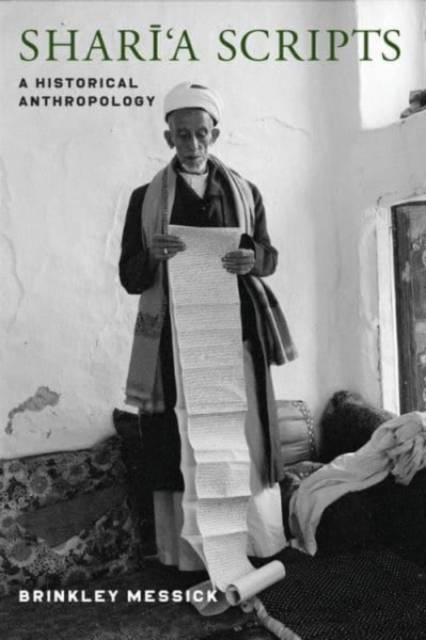
A case study in the textual architecture of the venerable legal and ethical tradition at the center of the Islamic experience, Sharīʿa Scripts is a work of historical anthropology focused on Yemen in the early twentieth century. There-while colonial regimes, late Ottoman reformers, and early nationalists wrought decisive changes to the legal status of the sharīʿa, significantly narrowing its sphere of relevance-the Zaydī school of jurisprudence, rooted in highland Yemen for a millennium, still held sway. Brinkley Messick uses the richly varied writings of the Yemeni past to offer a uniquely comprehensive view of the sharīʿa as a localized and lived phenomenon. Sharīʿa Scripts reads a wide spectrum of sources in search of a new historical-anthropological perspective on Islamic textual relations. Messick analyzes the sharīʿa as a local system of texts, distinguishing between theoretical or doctrinal juridical texts (or the "library") and those produced by the sharīʿa courts and notarial writers (termed the "archive"). Attending to textual form, he closely examines representative books of madrasa instruction; formal opinion-giving by muftis and imams; the structure of court judgments; and the drafting of contracts. Messick's intensive readings of texts are supplemented by retrospective ethnography and oral history based on extensive field research. Further, the book ventures a major methodological contribution by confronting anthropology's longstanding reliance upon the observational and the colloquial. Presenting a new understanding of Islamic legal history, Sharīʿa Scripts is a groundbreaking examination of the interpretative range and historical insights offered by the anthropologist as reader.
Specificaties
Betrokkenen
- Auteur(s):
- Uitgeverij:
Inhoud
- Aantal bladzijden:
- 536
- Taal:
- Engels
Eigenschappen
- Productcode (EAN):
- 9780231178754
- Verschijningsdatum:
- 19/07/2022
- Uitvoering:
- Paperback
- Formaat:
- Trade paperback (VS)
- Afmetingen:
- 152 mm x 229 mm
- Gewicht:
- 775 g


Alleen bij Standaard Boekhandel
+ 135 punten op je klantenkaart van Standaard Boekhandel
Cadeau

AANGERADEN


Beoordelingen
We publiceren alleen reviews die voldoen aan de voorwaarden voor reviews. Bekijk onze voorwaarden voor reviews.