


- Afhalen na 1 uur in een winkel met voorraad
- Gratis thuislevering in België vanaf € 30
- Ruim aanbod met 7 miljoen producten
- Afhalen na 1 uur in een winkel met voorraad
- Gratis thuislevering in België vanaf € 30
- Ruim aanbod met 7 miljoen producten





€ 64,95
+ 129 punten
Uitvoering
Omschrijving
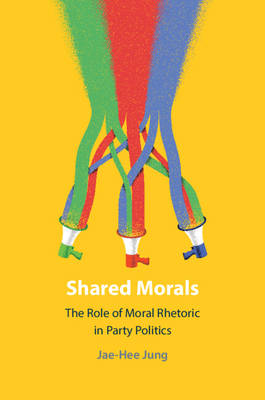
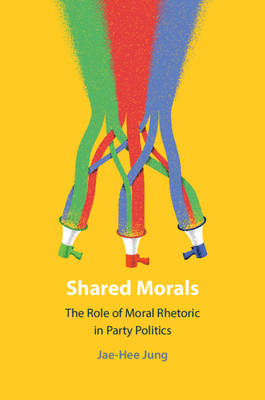
Political parties often use moral arguments--judgements about fundamental notions of right and wrong--to frame and explain their political views. Morality is an aspect of politics that people are regularly exposed to in real life. But what role does moral rhetoric play in party politics? And how does it shape our views? Focusing on Western democracies, Shared Morals examines what moral rhetoric looks like, how it affects voters, and how it is relevant for democratic representation. Drawing from studies on party competition, political behavior, and moral and political psychology, the book illustrates that moral rhetoric is an integral aspect of party communication. Yet, unlike many current narratives in the scholarly and policymaking worlds, Shared Morals draws attention to the potential for moral rhetoric to highlight common grounds, bridge differences, and bring people together.
Specificaties
Betrokkenen
- Auteur(s):
- Uitgeverij:
Inhoud
- Aantal bladzijden:
- 278
- Taal:
- Engels
Eigenschappen
- Productcode (EAN):
- 9781009667920
- Verschijningsdatum:
- 12/03/2026
- Uitvoering:
- Paperback
- Formaat:
- Trade paperback (VS)
- Afmetingen:
- 152 mm x 229 mm
- Gewicht:
- 376 g


Alleen bij Standaard Boekhandel
+ 129 punten op je klantenkaart van Standaard Boekhandel
Cadeau

AANGERADEN


Beoordelingen
We publiceren alleen reviews die voldoen aan de voorwaarden voor reviews. Bekijk onze voorwaarden voor reviews.