


- Afhalen na 1 uur in een winkel met voorraad
- Gratis thuislevering in België vanaf € 30
- Ruim aanbod met 7 miljoen producten
- Afhalen na 1 uur in een winkel met voorraad
- Gratis thuislevering in België vanaf € 30
- Ruim aanbod met 7 miljoen producten





€ 343,45
+ 686 punten
Omschrijving
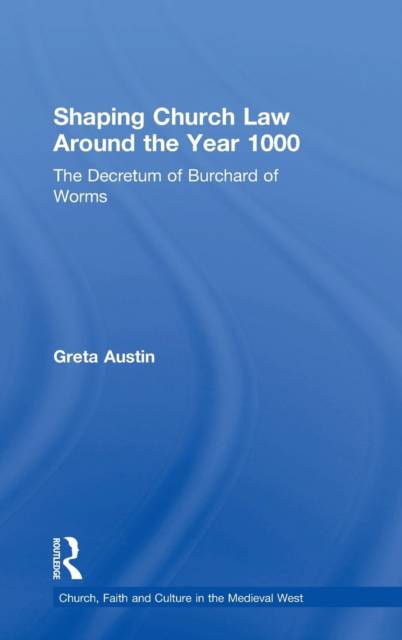
This study of Burchard's 'Decretum', a popular book of Catholic canon law compiled just after the year 1000, sheds new light on the development of law and theology long before the Gregorian Reform, normally considered as a watershed in the history of the Latin Church. Practical episcopal concerns and an appreciation of new scholarly methods led Burchard to be dissatisfied with the quality of contemporary jurisprudence and particularly with the teaching texts available to local bishops. Drawing upon new manuscript discoveries, the author shows how Burchard tried to create a new text that would address these problems and suggests that the flowering of law and theology in the medieval West began far earlier than scholars have heretofore supposed.
Specificaties
Betrokkenen
- Auteur(s):
- Uitgeverij:
Inhoud
- Aantal bladzijden:
- 358
- Taal:
- Engels
- Reeks:
Eigenschappen
- Productcode (EAN):
- 9780754650911
- Verschijningsdatum:
- 24/02/2009
- Uitvoering:
- Hardcover
- Formaat:
- Ongenaaid / garenloos gebonden
- Afmetingen:
- 157 mm x 236 mm
- Gewicht:
- 798 g


Alleen bij Standaard Boekhandel
+ 686 punten op je klantenkaart van Standaard Boekhandel

Beoordelingen
We publiceren alleen reviews die voldoen aan de voorwaarden voor reviews. Bekijk onze voorwaarden voor reviews.