


- Afhalen na 1 uur in een winkel met voorraad
- Gratis thuislevering in België vanaf € 30
- Ruim aanbod met 7 miljoen producten
- Afhalen na 1 uur in een winkel met voorraad
- Gratis thuislevering in België vanaf € 30
- Ruim aanbod met 7 miljoen producten





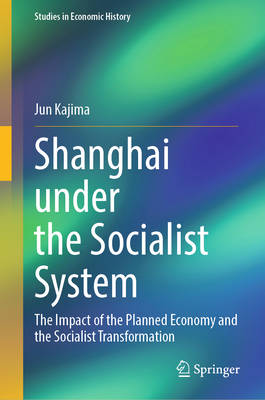
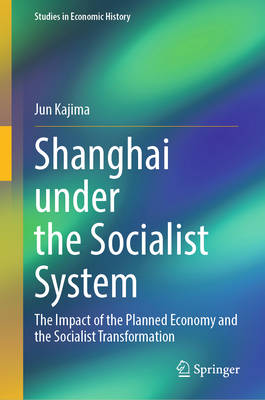
Shanghai Under the Socialist System
The Impact of the Planned Economy and the Socialist Transformation
Jun Kajima
€ 198,45
+ 396 punten
Omschrijving
This book reveals how the formation of the Chinese socialist system in the 1950s dramatically transformed the nation's economy, and charts how the newly established economic system functioned during the planned economy period (1949-1978), through focusing on Shanghai, which had served as the center of China's modern economy since the latter half of the nineteenth century. Drawing on the rich historical primary sources of the Shanghai Municipal Archives, this study examines the impact of the institutional change wrought by the introduction of the socialist system on Shanghai's economy, through a careful comparison with the economic structure before 1949. Moreover, it also explores the distinctive features of the Chinese socialist system, first and foremost the relationship between local governments and local businesses that came about through the socialist transformation of private enterprise, by analyzing Shanghai's fiscal structure and a series of key industries, including the textile, machinery, rubber processing, cement, and power industries. This historical study proffers a new understanding of the long-term economic history of modern China across the pivotal 1949 and 1978 divides and sheds light on the origin of what has come to be known as "socialism with Chinese characteristics" today.
Specificaties
Betrokkenen
- Auteur(s):
- Uitgeverij:
Inhoud
- Aantal bladzijden:
- 289
- Taal:
- Engels
- Reeks:
Eigenschappen
- Productcode (EAN):
- 9789819532247
- Verschijningsdatum:
- 3/01/2026
- Uitvoering:
- Hardcover
- Formaat:
- Genaaid
- Afmetingen:
- 164 mm x 238 mm
- Gewicht:
- 562 g


Alleen bij Standaard Boekhandel
+ 396 punten op je klantenkaart van Standaard Boekhandel
Cadeau

AANGERADEN


Beoordelingen
We publiceren alleen reviews die voldoen aan de voorwaarden voor reviews. Bekijk onze voorwaarden voor reviews.