


- Afhalen na 1 uur in een winkel met voorraad
- Gratis thuislevering in België vanaf € 30
- Ruim aanbod met 7 miljoen producten
- Afhalen na 1 uur in een winkel met voorraad
- Gratis thuislevering in België vanaf € 30
- Ruim aanbod met 7 miljoen producten





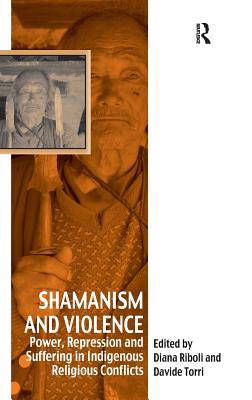
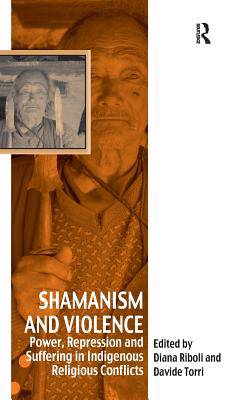
Shamanism and Violence
Power, Repression and Suffering in Indigenous Religious Conflicts
Davide Torri
€ 343,45
+ 686 punten
Uitvoering
Omschrijving
Proposing a new theoretical framework, this book explores Shamanism's links with violence from a global perspective. Renowned anthropologists and authorities in the field draw on their research in Mongolia, China, Korea, Malaysia, Nepal, India, Siberia, America,
Specificaties
Betrokkenen
- Auteur(s):
- Uitgeverij:
Inhoud
- Aantal bladzijden:
- 192
- Taal:
- Engels
- Reeks:
Eigenschappen
- Productcode (EAN):
- 9781409443865
- Verschijningsdatum:
- 28/08/2013
- Uitvoering:
- Hardcover
- Formaat:
- Genaaid
- Afmetingen:
- 156 mm x 234 mm
- Gewicht:
- 449 g


Alleen bij Standaard Boekhandel
+ 686 punten op je klantenkaart van Standaard Boekhandel
Cadeau

AANGERADEN


Beoordelingen
We publiceren alleen reviews die voldoen aan de voorwaarden voor reviews. Bekijk onze voorwaarden voor reviews.