


- Afhalen na 1 uur in een winkel met voorraad
- Gratis thuislevering in België vanaf € 30
- Ruim aanbod met 7 miljoen producten
- Afhalen na 1 uur in een winkel met voorraad
- Gratis thuislevering in België vanaf € 30
- Ruim aanbod met 7 miljoen producten





€ 169,45
+ 338 punten
Omschrijving
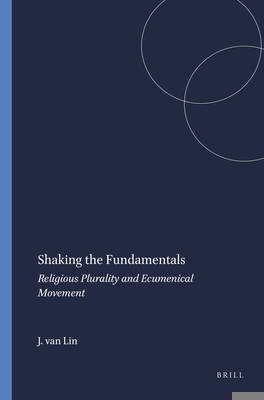
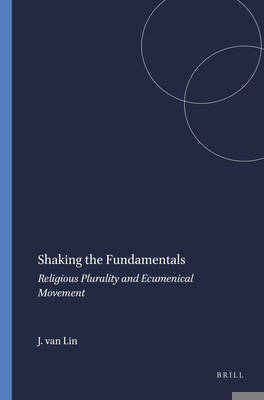
The issue central to this study can be considered one of the most pressing facing the World Council of Churches today and in the decades to come, and is much greater than that which confronted the International Mission Council in the years 1910 to1938. The question answered in this study is: what significance can the theology of religions, as it developed between 1910 (Edinburgh) and 1938 (Tambaram), have for present-day endeavours to develop a more common understanding and vision within the ecumenical movement as regards the theological problem of religious plurality? This significance becomes clear in the conclusions and suggestions in the final chapter. One of these conclusions is that classic Trinitarian theology and Pneumatology will be incapable of drawing the theology of religions out of the present impasse as long as traditional Christological models continue to exist within them. A commemoration of the Edinburgh meeting will undoubtedly be organized in 2010; and in view of this commemoration Dr van Lin suggests considering the possibility of starting a process of reflection on the World Council of Churches' theology of religions, similar to those on Baptism, Eucharist and Ministry, and Towards the Common Expression of the Apostolic Faith Today. Given the fact that the study of religious plurality shakes the ecumenical movement to its foundations, within the foreseeable futures serious thought has to be given to placing the study of the theology of religions on the agenda of Faith and Order within the World Council of Churches.
Specificaties
Betrokkenen
- Auteur(s):
- Uitgeverij:
Inhoud
- Aantal bladzijden:
- 324
- Taal:
- Engels
- Reeks:
- Reeksnummer:
- nr. 36
Eigenschappen
- Productcode (EAN):
- 9789042011830
- Verschijningsdatum:
- 1/01/2002
- Uitvoering:
- Paperback
- Formaat:
- Trade paperback (VS)
- Afmetingen:
- 155 mm x 235 mm
- Gewicht:
- 666 g


Alleen bij Standaard Boekhandel
+ 338 punten op je klantenkaart van Standaard Boekhandel
CADEAU


Beoordelingen
We publiceren alleen reviews die voldoen aan de voorwaarden voor reviews. Bekijk onze voorwaarden voor reviews.