


- Afhalen na 1 uur in een winkel met voorraad
- Gratis thuislevering in België vanaf € 30
- Ruim aanbod met 7 miljoen producten
- Afhalen na 1 uur in een winkel met voorraad
- Gratis thuislevering in België vanaf € 30
- Ruim aanbod met 7 miljoen producten





€ 60,45
+ 120 punten
Omschrijving
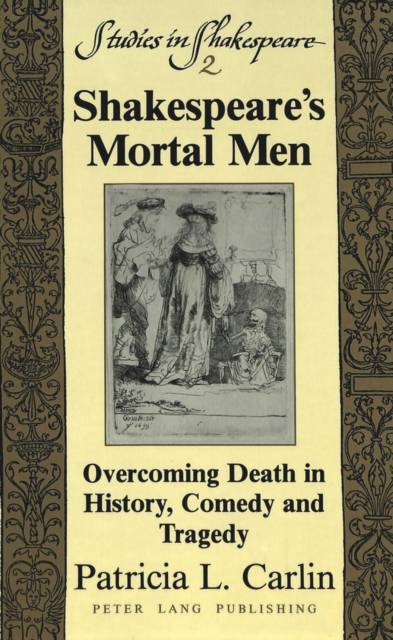
This study argues compellingly that the wish to confront and master death is a key shaping force of individual plays, of Shakespeare's genres, and of his work as a whole. Focusing on Richard II, Henry IV Part One and Part Two, and Henry V, the book shows how these plays of the 1590's reflect the transition from a feudal to an early modern society. New cultural conditions necessitated new psychological and theatrical strategies for dealing with death, strategies enacted by characters within plays, by whole plays, and by genre itself. Love's Labor's Lost and Romeo and Juliet illustrate key strategies operative throughout Shakespeare's comedies and tragedies. This book offers fresh insight into individual plays. It also casts new light on the nature and function of Shakespearean genre, and on the development of the canon as a whole.
Specificaties
Betrokkenen
- Auteur(s):
- Uitgeverij:
Inhoud
- Aantal bladzijden:
- 250
- Taal:
- Engels
- Reeks:
- Reeksnummer:
- nr. 1
Eigenschappen
- Productcode (EAN):
- 9780820415635
- Verschijningsdatum:
- 1/06/1993
- Uitvoering:
- Hardcover
- Formaat:
- Genaaid
- Afmetingen:
- 237 mm x 161 mm
- Gewicht:
- 519 g


Alleen bij Standaard Boekhandel
+ 120 punten op je klantenkaart van Standaard Boekhandel
Cadeau

AANGERADEN


Beoordelingen
We publiceren alleen reviews die voldoen aan de voorwaarden voor reviews. Bekijk onze voorwaarden voor reviews.