



- Afhalen na 1 uur in een winkel met voorraad
- In januari gratis thuislevering in België
- Ruim aanbod met 7 miljoen producten
- Afhalen na 1 uur in een winkel met voorraad
- In januari gratis thuislevering in België
- Ruim aanbod met 7 miljoen producten




Omschrijving
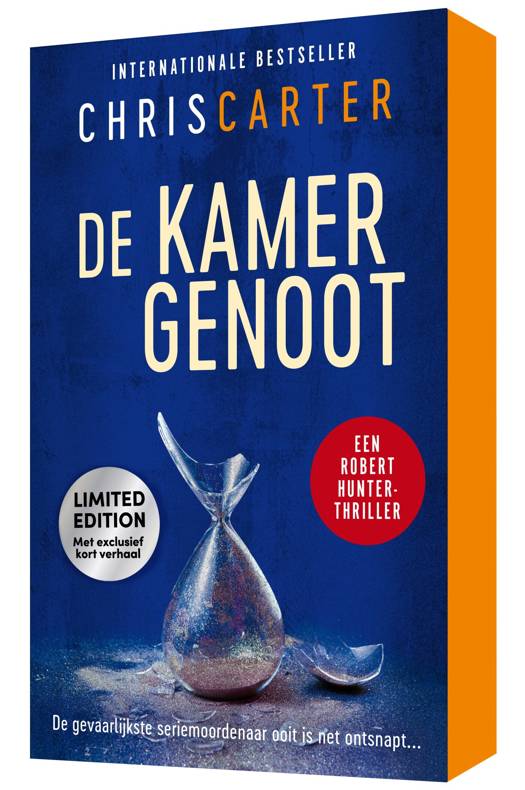
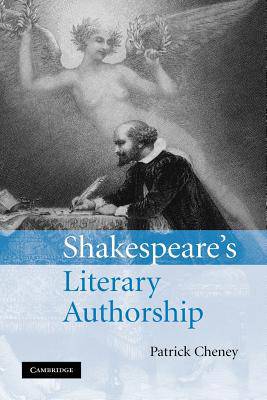
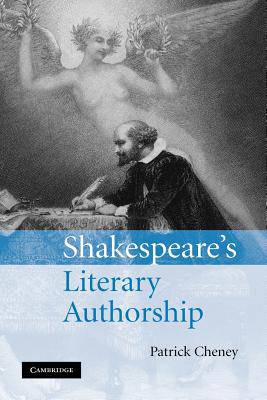
Re-situating Shakespeare as an early modern professional, in this book Patrick Cheney views him not simply as a man of the theatre, but also as an author with a literary career. Rather than present himself as a national or laureate poet, as Spenser does, Shakespeare conceals his authorship through dramaturgy, rendering his artistic techniques and literary ambitions opaque. Accordingly, recent scholars have attended more to his innovative theatricality or his indifference to textuality than to his contribution to modern English authorship. By tracking Shakespeare's 'counter-laureate authorship', Cheney builds upon his previous study on Shakespeare and literary authorship, and demonstrates the presence throughout the plays of sustained intertextual fictions about the twin media of printed poetry and theatrical performance. In challenging Spenser as England's National Poet, Shakespeare reinvents English authorship as a key part of his legacy.
Specificaties
Betrokkenen
- Auteur(s):
- Uitgeverij:
Inhoud
- Aantal bladzijden:
- 324
- Taal:
- Engels
Eigenschappen
- Productcode (EAN):
- 9781107404595
- Verschijningsdatum:
- 16/02/2012
- Uitvoering:
- Paperback
- Formaat:
- Trade paperback (VS)
- Afmetingen:
- 152 mm x 229 mm
- Gewicht:
- 476 g


Alleen bij Standaard Boekhandel
+ 158 punten op je klantenkaart van Standaard Boekhandel
Cadeau

AANGERADEN


Beoordelingen
We publiceren alleen reviews die voldoen aan de voorwaarden voor reviews. Bekijk onze voorwaarden voor reviews.