


- Afhalen na 1 uur in een winkel met voorraad
- Gratis thuislevering in België vanaf € 30
- Ruim aanbod met 7 miljoen producten
- Afhalen na 1 uur in een winkel met voorraad
- Gratis thuislevering in België vanaf € 30
- Ruim aanbod met 7 miljoen producten





€ 59,95
+ 119 punten
Omschrijving
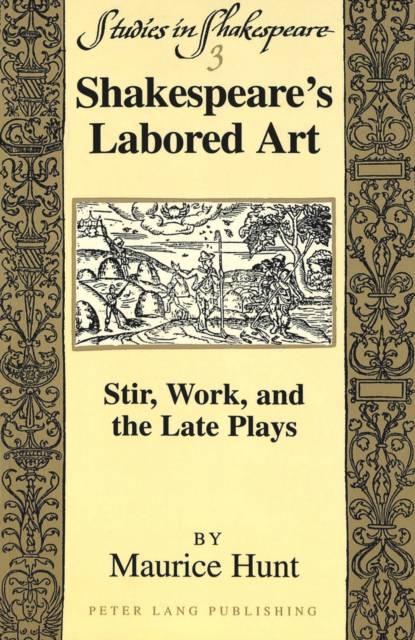
This study explores Shakespeare's representation of various kinds of physical and intellectual work in plays ranging from Hamlet and King Lear through Antony and Cleopatra, Coriolanus, and Timon of Athens to the four late romances King Henry VIII, and The Two Noble Kinsmen. Of special interest is the analysis of Shakespeare's portrayal of birth labor, especially with regard to artistic creation and playwriting in particular. The conflict of idleness versus arduous work becomes progressively more prominent in Shakespeare's Jacobean plays. Reformation Protestantism, the court of King James, and early modern English working conditions provide contexts for appreciating the contemporary importance of this conflict.
Specificaties
Betrokkenen
- Auteur(s):
- Uitgeverij:
Inhoud
- Aantal bladzijden:
- 312
- Taal:
- Engels
- Reeks:
- Reeksnummer:
- nr. 3
Eigenschappen
- Productcode (EAN):
- 9780820439556
- Verschijningsdatum:
- 1/12/1997
- Uitvoering:
- Paperback
- Formaat:
- Trade paperback (VS)
- Afmetingen:
- 160 mm x 230 mm
- Gewicht:
- 449 g


Alleen bij Standaard Boekhandel
+ 119 punten op je klantenkaart van Standaard Boekhandel
Cadeau

AANGERADEN


Beoordelingen
We publiceren alleen reviews die voldoen aan de voorwaarden voor reviews. Bekijk onze voorwaarden voor reviews.