


- Afhalen na 1 uur in een winkel met voorraad
- Gratis thuislevering in België vanaf € 30
- Ruim aanbod met 7 miljoen producten
- Afhalen na 1 uur in een winkel met voorraad
- Gratis thuislevering in België vanaf € 30
- Ruim aanbod met 7 miljoen producten





€ 191,95
+ 383 punten
Eenvoudig bestellen
Veilig betalen


Gratis thuislevering vanaf € 30 (via bpost)
Gratis levering in je Standaard Boekhandel
Omschrijving
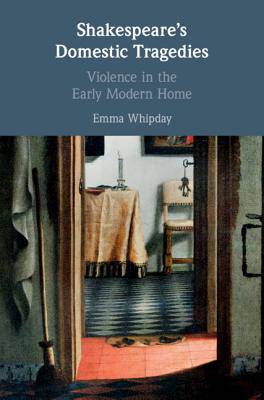
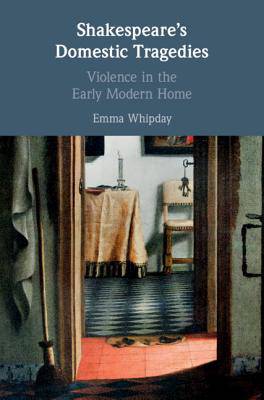
Domestic tragedy was an innovative genre, suggesting that the lives and sufferings of ordinary people were worthy of the dramatic scope of tragedy. In this compelling study, Whipday revises the narrative of Shakespeare's plays to show how this genre, together with neglected pamphlets, ballads, and other forms of 'cheap print' about domestic violence, informed some of Shakespeare's greatest works. Providing a significant reappraisal of Hamlet, Othello, and Macbeth, the book argues that domesticity is central to these plays: they stage how societal and familial pressures shape individual agency; how the integrity of the house is associated with the body of the housewife; and how household transgressions render the home permeable. Whipday demonstrates that Shakespeare not only appropriated constructions of the domestic from domestic tragedies, but that he transformed the genre, using heightened language, foreign settings, and elite spheres to stage familiar domestic worlds.
Specificaties
Betrokkenen
- Auteur(s):
- Uitgeverij:
Inhoud
- Aantal bladzijden:
- 272
- Taal:
- Engels
Eigenschappen
- Productcode (EAN):
- 9781108474030
- Verschijningsdatum:
- 3/01/2019
- Uitvoering:
- Hardcover
- Formaat:
- Genaaid
- Afmetingen:
- 159 mm x 238 mm
- Gewicht:
- 544 g


Alleen bij Standaard Boekhandel
+ 383 punten op je klantenkaart van Standaard Boekhandel
CADEAU

AANGERADEN


Beoordelingen
We publiceren alleen reviews die voldoen aan de voorwaarden voor reviews. Bekijk onze voorwaarden voor reviews.