



Je cadeautjes zeker op tijd in huis hebben voor de feestdagen? Kom langs in onze winkels en vind het perfecte geschenk!
- Afhalen na 1 uur in een winkel met voorraad
- Gratis thuislevering in België vanaf € 30
- Ruim aanbod met 7 miljoen producten
Je cadeautjes zeker op tijd in huis hebben voor de feestdagen? Kom langs in onze winkels en vind het perfecte geschenk!
- Afhalen na 1 uur in een winkel met voorraad
- Gratis thuislevering in België vanaf € 30
- Ruim aanbod met 7 miljoen producten





€ 43,45
+ 86 punten
Uitvoering
Omschrijving
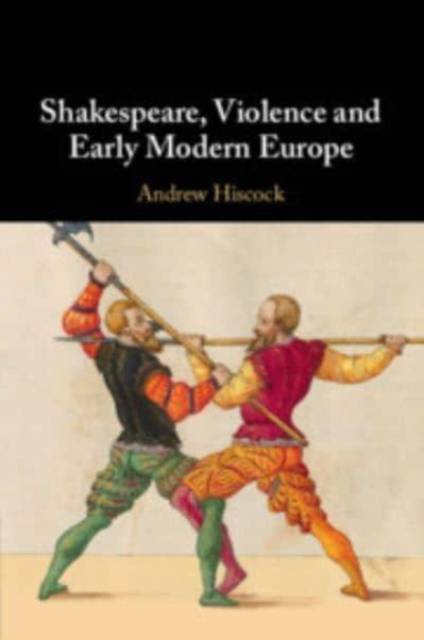
Shakespeare, Violence and Early Modern Europe broadens our understanding of the final years of the last Tudor monarch, revealing the truly international context in which they must be understood. Uncovering the extent to which Shakespeare's dramatic art intersected with European politics, Andrew Hiscock brings together close readings of the history plays, compelling insights into late Elizabethan political culture and renewed attention to neglected continental accounts of Elizabeth I. With fresh perspective, the book charts the profound influence that Shakespeare and ambitious courtiers had upon succeeding generations of European writers, dramatists and audiences following the turn of the sixteenth century. Informed by early modern and contemporary cultural debate, this book demonstrates how the study of early modern violence can illuminate ongoing crises of interpretation concerning brutality, victimization and complicity today.
Specificaties
Betrokkenen
- Auteur(s):
- Uitgeverij:
Inhoud
- Aantal bladzijden:
- 300
- Taal:
- Engels
Eigenschappen
- Productcode (EAN):
- 9781108821995
- Verschijningsdatum:
- 21/12/2023
- Uitvoering:
- Paperback
- Formaat:
- Trade paperback (VS)
- Afmetingen:
- 152 mm x 229 mm
- Gewicht:
- 403 g


Alleen bij Standaard Boekhandel
+ 86 punten op je klantenkaart van Standaard Boekhandel
CADEAU


Beoordelingen
We publiceren alleen reviews die voldoen aan de voorwaarden voor reviews. Bekijk onze voorwaarden voor reviews.