


- Afhalen na 1 uur in een winkel met voorraad
- Gratis thuislevering in België vanaf € 30
- Ruim aanbod met 7 miljoen producten
- Afhalen na 1 uur in een winkel met voorraad
- Gratis thuislevering in België vanaf € 30
- Ruim aanbod met 7 miljoen producten





Omschrijving
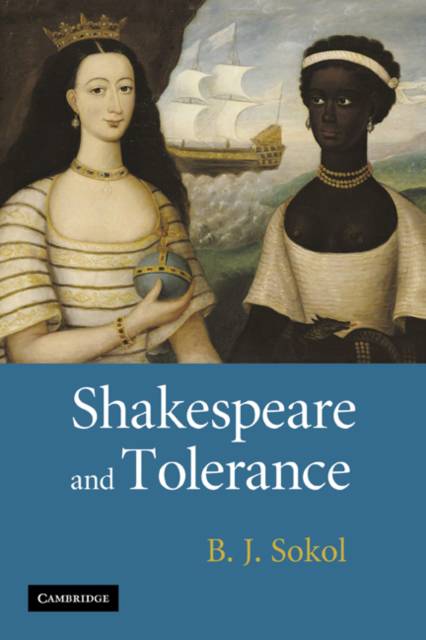
Shakespeare's remarkable ability to detect and express important new currents and moods in his culture often led him to dramatise human interactions based on the presence or absence of tolerance. Differences of religion, gender, nationality and what is now called 'race' are important in most of Shakespeare's plays, and varied ways of bridging these differences by means of sympathy and understanding are often depicted. The full development of a tolerant society is still incomplete, and this study demonstrates how the perceptions Shakespeare showed in relation to its earlier development are still instructive and valuable today. Many recent studies of Shakespeare's work have focused on reflections of the oppression or containment of minority, deviant or non-dominant groups or outlooks. This book reverses that trend and examines how Shakespeare was fascinated by the desires that underlie tolerance, including religion, race and sexuality, through close analysis of many Shakespearian plays, passages and themes.
Specificaties
Betrokkenen
- Auteur(s):
- Uitgeverij:
Inhoud
- Aantal bladzijden:
- 262
- Taal:
- Engels
Eigenschappen
- Productcode (EAN):
- 9780521182867
- Verschijningsdatum:
- 2/12/2010
- Uitvoering:
- Paperback
- Formaat:
- Trade paperback (VS)
- Afmetingen:
- 152 mm x 229 mm
- Gewicht:
- 353 g



Alleen bij Standaard Boekhandel
+ 167 punten op je klantenkaart van Standaard Boekhandel
Cadeau

AANGERADEN


Beoordelingen
We publiceren alleen reviews die voldoen aan de voorwaarden voor reviews. Bekijk onze voorwaarden voor reviews.