


- Afhalen na 1 uur in een winkel met voorraad
- Gratis thuislevering in België vanaf € 30
- Ruim aanbod met 7 miljoen producten
- Afhalen na 1 uur in een winkel met voorraad
- Gratis thuislevering in België vanaf € 30
- Ruim aanbod met 7 miljoen producten




€ 34,95
+ 69 punten
Omschrijving
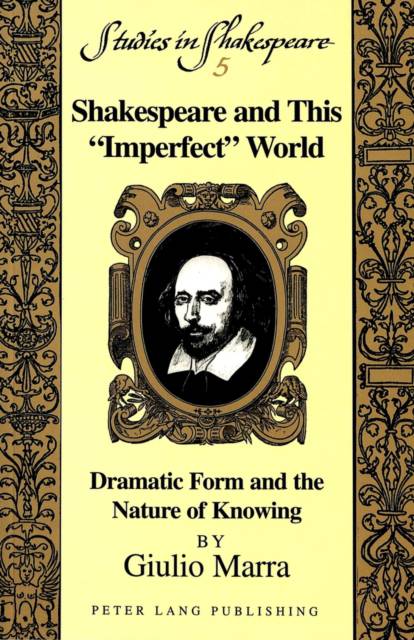
This study on Shakespearean theatre attempts to correlate the cognitive impulse animating the character with the ensuing dramatic form. A Shakespearean character determines the play's structure through the intrinsic need to resolve the problem he is brought up against. He does this by utilizing theatrical means, metadramatic elements, which themselves become an integral part of the concept of theatre. Any external moral framework constricting the character within traditional dramatic forms appears, therefore, to impose perspectival limits on the text. Rather, The Tempest provides the reader with intrinsic and general guidelines through the skepticism of Prospero. Through concepts of «wonder» and «limitation» he defines the boundaries of action thus determining the idea of self-knowledge. General aesthetic and philosophical problems are embedded within the texture of the play's structure.
Specificaties
Betrokkenen
- Auteur(s):
- Uitgeverij:
Inhoud
- Aantal bladzijden:
- 290
- Taal:
- Engels
- Reeks:
- Reeksnummer:
- nr. 5
Eigenschappen
- Productcode (EAN):
- 9780820433882
- Verschijningsdatum:
- 1/04/1997
- Uitvoering:
- Paperback
- Formaat:
- Trade paperback (VS)
- Afmetingen:
- 160 mm x 230 mm
- Gewicht:
- 404 g


Alleen bij Standaard Boekhandel
+ 69 punten op je klantenkaart van Standaard Boekhandel
Cadeau

AANGERADEN


Beoordelingen
We publiceren alleen reviews die voldoen aan de voorwaarden voor reviews. Bekijk onze voorwaarden voor reviews.