


- Afhalen na 1 uur in een winkel met voorraad
- Gratis thuislevering in België vanaf € 30
- Ruim aanbod met 7 miljoen producten
- Afhalen na 1 uur in een winkel met voorraad
- Gratis thuislevering in België vanaf € 30
- Ruim aanbod met 7 miljoen producten





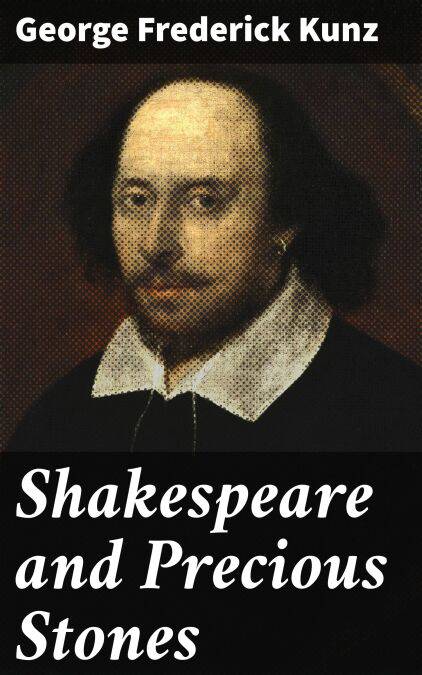
Shakespeare and Precious Stones E-BOOK
Unveiling Shakespeare's Gemstone Allegories
George Frederick Kunz
E-book | Engels
€ 1,99
+ 1 punten
Uitvoering
Omschrijving
In "Shakespeare and Precious Stones," George Frederick Kunz intricately intertwines the realms of literature and gemology, exploring the symbolic significance of precious stones in Shakespeare's works. Kunz employs an erudite yet accessible style, guiding readers through a tapestry of references that illuminate how gems reflect the emotional and thematic depth of Shakespeare'Äôs plays and sonnets. By situating this exploration within the broader literary context of the Elizabethan era, Kunz showcases how the fascination with precious stones paralleled cultural developments of the time, enriching our understanding of both the playwright's artistry and the societal values surrounding wealth and beauty. Kunz, a prominent gemologist and a respected authority on mineralogy, delved into this unique intersection of literature and gems, influenced by his dual passions for narrative craft and natural history. His extensive knowledge of precious stones not only informs the text but also reflects a profound appreciation for the aesthetic and metaphorical potential of the gems that captivated Shakespeare and his contemporaries. This distinctive perspective allows Kunz to offer readers insights that bridge the gap between the literary and the scientific, deepening our comprehension of Shakespeare'Äôs aesthetic choices. This book is highly recommended for scholars of literature, gem enthusiasts, and anyone intrigued by the profound connections between cultural artifacts and literary expression. Kunz'Äôs meticulous research and engaging narrative invite readers to reflect on the multifaceted nature of beauty and meaning, making it a compelling read that enriches understanding of both Shakespearean drama and the allure of precious stones.
Specificaties
Betrokkenen
- Auteur(s):
- Uitgeverij:
Inhoud
- Aantal bladzijden:
- 513
- Taal:
- Engels
Eigenschappen
- Productcode (EAN):
- 4064066195519
- Verschijningsdatum:
- 15/12/2019
- Uitvoering:
- E-book
- Beveiligd met:
- Digital watermarking
- Formaat:
- ePub



Alleen bij Standaard Boekhandel
+ 1 punten op je klantenkaart van Standaard Boekhandel
Cadeau

AANGERADEN


Beoordelingen
We publiceren alleen reviews die voldoen aan de voorwaarden voor reviews. Bekijk onze voorwaarden voor reviews.