


- Afhalen na 1 uur in een winkel met voorraad
- Gratis thuislevering in België vanaf € 30
- Ruim aanbod met 7 miljoen producten
- Afhalen na 1 uur in een winkel met voorraad
- Gratis thuislevering in België vanaf € 30
- Ruim aanbod met 7 miljoen producten





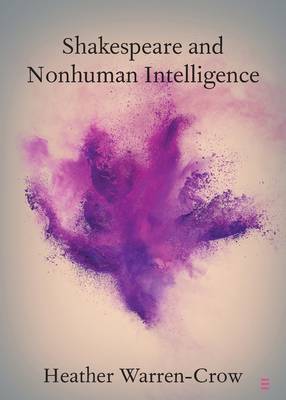
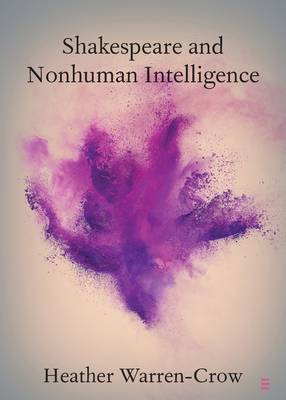
Shakespeare and Nonhuman Intelligence
Heather Warren-Crow
€ 36,45
+ 72 punten
Omschrijving
The Infinite Monkey Theorem is an idea frequently encountered in mass market science books, discourse on Intelligent Design, and debates on the merits of writing produced by chatbots. According to the Theorem, an infinite number of typing monkeys will eventually generate the works of Shakespeare. Shakespeare and Nonhuman Intelligence is a metaphysical analysis of the Bard's function in the Theorem in various contexts over the past century. Beginning with early-twentieth century astrophysics and ending with twenty-first century AI, it traces the emergence of Shakespeare as the embattled figure of writing in the age of machine learning, bioinformatics, and other alleged crimes against the human organism. In an argument that pays close attention to computer programs that instantiate the Theorem, including one by biologist Richard Dawkins, and to references in publications on Intelligent Design, it contends that Shakespeare performs as an interface between the human and our Others: animal, god, machine.
Specificaties
Betrokkenen
- Auteur(s):
- Uitgeverij:
Inhoud
- Aantal bladzijden:
- 108
- Taal:
- Engels
- Reeks:
Eigenschappen
- Productcode (EAN):
- 9781009202640
- Verschijningsdatum:
- 2/05/2024
- Uitvoering:
- Paperback
- Formaat:
- Trade paperback (VS)
- Afmetingen:
- 127 mm x 178 mm
- Gewicht:
- 99 g


Alleen bij Standaard Boekhandel
+ 72 punten op je klantenkaart van Standaard Boekhandel
Cadeau

AANGERADEN


Beoordelingen
We publiceren alleen reviews die voldoen aan de voorwaarden voor reviews. Bekijk onze voorwaarden voor reviews.