


- Afhalen na 1 uur in een winkel met voorraad
- Gratis thuislevering in België vanaf € 30
- Ruim aanbod met 7 miljoen producten
- Afhalen na 1 uur in een winkel met voorraad
- Gratis thuislevering in België vanaf € 30
- Ruim aanbod met 7 miljoen producten





€ 48,45
+ 96 punten
Omschrijving
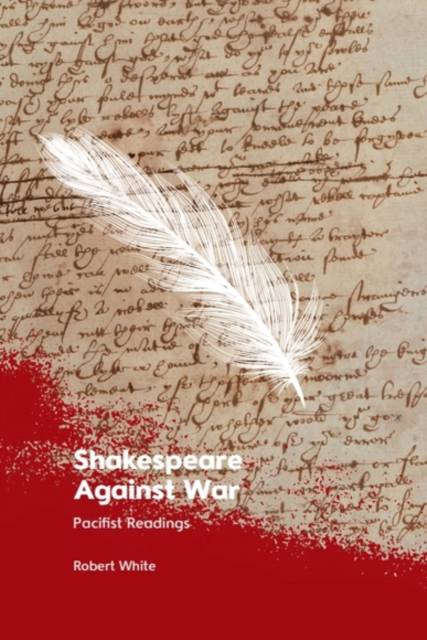
Whilst Shakespearean drama provides eloquent calls to war, more often than not these are undercut or outweighed by compelling appeals to peaceful alternatives conveyed through narrative structure, dramatic context and poetic utterance. Placing Shakespeare's works in the history of pacifist thought, Robert White argues that Shakespeare's plays consistently challenge appeals to heroism and revenge and reveal the brutal futility of war. White also examines Shakespeare's interest in the mental states of military officers when their ingrained training is tested in love relationships. In imagery and themes, war infiltrates love, with problematical consequences, reflected in Shakespeare's comedies, histories and tragedies alike. Challenging a critical orthodoxy that military engagement in war is an inevitable and necessary condition, White draws analogies with the experience of modern warfare, showing the continuing relevance of Shakespeare's plays which deal with basic issues of war and peace that are still evident.
Specificaties
Betrokkenen
- Auteur(s):
- Uitgeverij:
Inhoud
- Aantal bladzijden:
- 304
- Taal:
- Engels
Eigenschappen
- Productcode (EAN):
- 9781399516228
- Verschijningsdatum:
- 1/01/2026
- Uitvoering:
- Paperback
- Formaat:
- Trade paperback (VS)
- Afmetingen:
- 156 mm x 234 mm
- Gewicht:
- 426 g


Alleen bij Standaard Boekhandel
+ 96 punten op je klantenkaart van Standaard Boekhandel
Cadeau

AANGERADEN


Beoordelingen
We publiceren alleen reviews die voldoen aan de voorwaarden voor reviews. Bekijk onze voorwaarden voor reviews.