


- Afhalen na 1 uur in een winkel met voorraad
- Gratis thuislevering in België vanaf € 30
- Ruim aanbod met 7 miljoen producten
- Afhalen na 1 uur in een winkel met voorraad
- Gratis thuislevering in België vanaf € 30
- Ruim aanbod met 7 miljoen producten





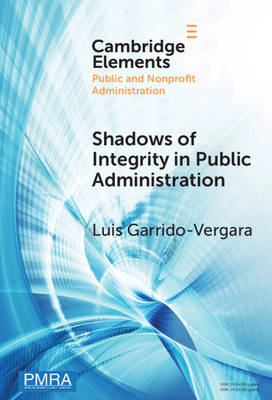
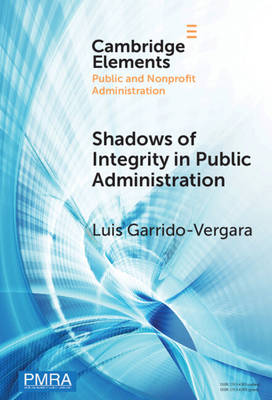
Shadows of Integrity in Public Administration
Survey Experiments on Ethics and Corruption
Luis Garrido-Vergara
€ 79,45
+ 158 punten
Uitvoering
Omschrijving
Corruption is a complex phenomenon that challenges ethics and integrity in public administration. Over the past decade, increased societal monitoring - particularly through the media and civil society organizations - has brought corruption back to the forefront of public concern and political debate. Since most state bureaucracies are formally grounded in a Weberian ethos of meritocracy, competition, and discipline, this raises fundamental questions: What causes corruption in the public sector, and what factors shape the likelihood that a public servant will engage in corrupt or unethical behaviour? This Element addresses these questions by advancing survey experiments as a central methodological approach for studying corruption in public administration. By reviewing existing experimental research and outlining research protocols for the design and analysis of survey experiments, this Element aims to contribute methodologically and substantively to the study of corruption and integrity in the public sector.
Specificaties
Betrokkenen
- Auteur(s):
- Uitgeverij:
Inhoud
- Aantal bladzijden:
- 75
- Taal:
- Engels
- Reeks:
Eigenschappen
- Productcode (EAN):
- 9781009606585
- Verschijningsdatum:
- 4/06/2026
- Uitvoering:
- Hardcover
- Formaat:
- Genaaid


Alleen bij Standaard Boekhandel
+ 158 punten op je klantenkaart van Standaard Boekhandel
Cadeau

AANGERADEN


Beoordelingen
We publiceren alleen reviews die voldoen aan de voorwaarden voor reviews. Bekijk onze voorwaarden voor reviews.