


- Afhalen na 1 uur in een winkel met voorraad
- Gratis thuislevering in België vanaf € 30
- Ruim aanbod met 7 miljoen producten
- Afhalen na 1 uur in een winkel met voorraad
- Gratis thuislevering in België vanaf € 30
- Ruim aanbod met 7 miljoen producten





Omschrijving
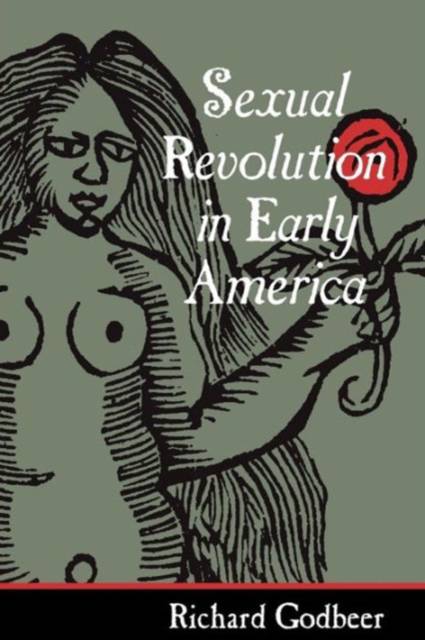
In 1695, John Miller, a clergyman traveling through New York, found it appalling that so many couples lived together without ever being married and that no one viewed "ante-nuptial fornication" as anything scandalous or sinful. Charles Woodmason, an Anglican minister in South Carolina in 1766, described the region as a "stage of debauchery" in which polygamy was "very common," "concubinage general," and "bastardy no disrepute." These depictions of colonial North America's sexual culture sharply contradict the stereotype of Puritanical abstinence that persists in the popular imagination. In Sexual Revolution in Early America, Richard Godbeer boldly overturns conventional wisdom about the sexual values and customs of colonial Americans. His eye-opening historical account spans two centuries and most of British North America, from New England to the Caribbean, exploring the social, political, and legal dynamics that shaped a diverse sexual culture. Drawing on exhaustive research into diaries, letters, and other private papers, as well as legal records and official documents, Godbeer's absorbing narrative uncovers a persistent struggle between the moral authorities and the widespread expression of popular customs and individual urges. Godbeer begins with a discussion of the complex attitude that the Puritans had toward sexuality. For example, although believing that sex could be morally corrupting, they also considered it to be such an essential element of a healthy marriage that they excommunicated those who denied "conjugal fellowship" to their spouses. He next examines the ways in which race and class affected the debate about sexual mores, from anxieties about Anglo-Indian sexual relations to the sense of sexual entitlement that planters held over their African slaves. He concludes by detailing the fundamental shift in sexual culture during the eighteenth century towards the acceptance of a more individualistic concept of sexual desire and fulfillment. Today's moral critics, in their attempts to convince Americans of the social and spiritual consequences of unregulated sexual behavior, often harken back to a more innocent age; as this groundbreaking work makes clear, America's sexual culture has always been rich, vibrant, and contentious.
Specificaties
Betrokkenen
- Auteur(s):
- Uitgeverij:
Inhoud
- Aantal bladzijden:
- 430
- Taal:
- Engels
- Reeks:
Eigenschappen
- Productcode (EAN):
- 9780801878916
- Verschijningsdatum:
- 14/01/2004
- Uitvoering:
- Paperback
- Formaat:
- Trade paperback (VS)
- Afmetingen:
- 151 mm x 226 mm
- Gewicht:
- 589 g



Alleen bij Standaard Boekhandel
+ 102 punten op je klantenkaart van Standaard Boekhandel
AANGERADEN


Beoordelingen
We publiceren alleen reviews die voldoen aan de voorwaarden voor reviews. Bekijk onze voorwaarden voor reviews.