



Je cadeautjes zeker op tijd in huis hebben voor de feestdagen? Kom langs in onze winkels en vind het perfecte geschenk!
- Afhalen na 1 uur in een winkel met voorraad
- Gratis thuislevering in België vanaf € 30
- Ruim aanbod met 7 miljoen producten
Je cadeautjes zeker op tijd in huis hebben voor de feestdagen? Kom langs in onze winkels en vind het perfecte geschenk!
- Afhalen na 1 uur in een winkel met voorraad
- Gratis thuislevering in België vanaf € 30
- Ruim aanbod met 7 miljoen producten





Omschrijving
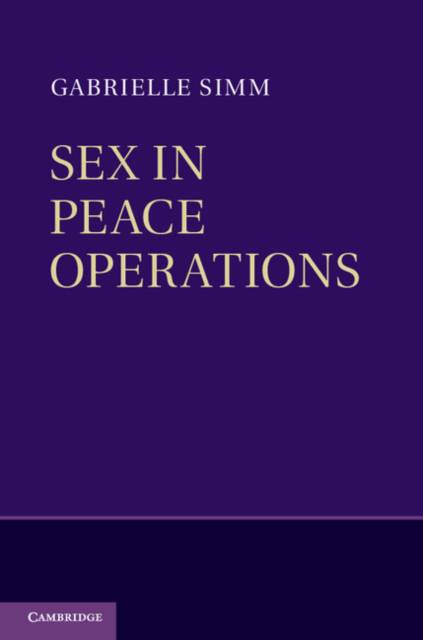
Gabrielle Simm's critical re-evaluation of sex between international personnel and local people examines the zero tolerance policy on sexual exploitation and abuse and its international legal framework. Whereas most preceding studies of the issue have focused exclusively on military peacekeepers, Sex in Peace Operations also covers the private military contractors and humanitarian NGO workers who play increasingly important roles in peace operations. Informed by socio-legal studies, Simm uses three case studies (Bosnia, West Africa and the Democratic Republic of the Congo) to illustrate the extent of the problem and demonstrate that the problems of impunity for sexual crimes are not just a failure of political will but the result of the structural weaknesses of international law in addressing non-state actors. Combining the insights of feminist critique with a regulatory approach to international law, her conclusions will interest scholars of international law, peace and conflict studies, gender and sexuality, and development.
Specificaties
Betrokkenen
- Auteur(s):
- Uitgeverij:
Inhoud
- Aantal bladzijden:
- 247
- Taal:
- Engels
Eigenschappen
- Productcode (EAN):
- 9781107030329
- Verschijningsdatum:
- 25/04/2013
- Uitvoering:
- Hardcover
- Formaat:
- Genaaid
- Afmetingen:
- 150 mm x 231 mm
- Gewicht:
- 498 g



Alleen bij Standaard Boekhandel
+ 245 punten op je klantenkaart van Standaard Boekhandel
CADEAU


Beoordelingen
We publiceren alleen reviews die voldoen aan de voorwaarden voor reviews. Bekijk onze voorwaarden voor reviews.