


- Afhalen na 1 uur in een winkel met voorraad
- Gratis thuislevering in België vanaf € 30
- Ruim aanbod met 7 miljoen producten
- Afhalen na 1 uur in een winkel met voorraad
- Gratis thuislevering in België vanaf € 30
- Ruim aanbod met 7 miljoen producten





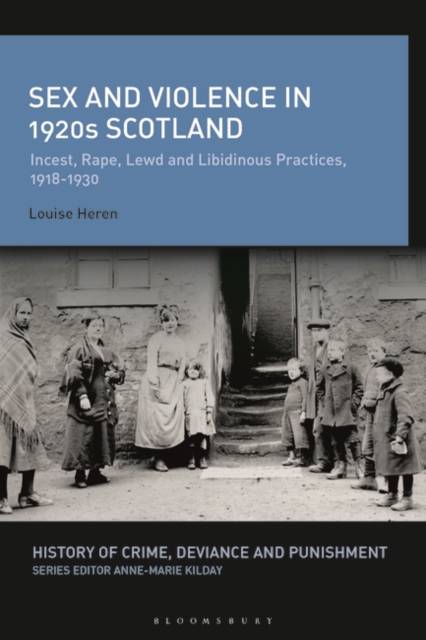
Sex and Violence in 1920s Scotland
Incest, Rape, Lewd and Libidinous Practices, 1918-1930
Louise Heren
€ 203,95
+ 407 punten
Omschrijving
Using case records of prosecutions at the Scottish High Court of Justiciary between 1918 and 1930, this book takes a quantitative and qualitative approach to understand sexual violence in Scotland at this time. Analysing legal records alongside victim and witness testimonies, Louise Heren analyses who committed sexual violence against whom, where and how and, to an extent, looks to uncover the victims' voice.
Assessing how the courts responded, Sex and Violence in 1920s Scotland reveals that, despite pejorative views of working-class female behaviour, the successful conversion of prosecutions to convictions was greater than what is seen in modern sexual assault cases. In a society adjusting to post-conflict stresses, there were fears expressed in middle-class circles that those most affected by the First World War might react with violence. However, the High Court archives suggest otherwise. Cases of incest, rape and sexual assault appears to have been endemic, an opportunistic crime against older victims yet often pre-meditated against the youngest; selfish crimes that suggest toxic masculinity among some working-class men. The book concludes with the ultimate question: why did these men perpetrate sexual violence?Specificaties
Betrokkenen
- Auteur(s):
- Uitgeverij:
Inhoud
- Aantal bladzijden:
- 272
- Taal:
- Engels
- Reeks:
Eigenschappen
- Productcode (EAN):
- 9781350227774
- Verschijningsdatum:
- 02/11/2023
- Uitvoering:
- Hardcover
- Formaat:
- Genaaid
- Afmetingen:
- 156 mm x 234 mm
- Gewicht:
- 553 g



Alleen bij Standaard Boekhandel
+ 407 punten op je klantenkaart van Standaard Boekhandel
Cadeau

AANGERADEN


Beoordelingen
We publiceren alleen reviews die voldoen aan de voorwaarden voor reviews. Bekijk onze voorwaarden voor reviews.