


- Afhalen na 1 uur in een winkel met voorraad
- Gratis thuislevering in België vanaf € 30
- Ruim aanbod met 7 miljoen producten
- Afhalen na 1 uur in een winkel met voorraad
- Gratis thuislevering in België vanaf € 30
- Ruim aanbod met 7 miljoen producten





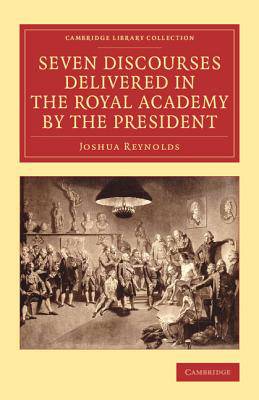
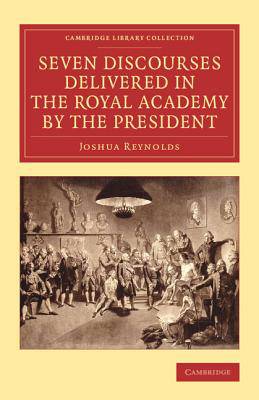
Seven Discourses Delivered in the Royal Academy by the President
Joshua Reynolds
€ 72,45
+ 144 punten
Omschrijving
As well as being the most distinguished painter of his generation, Sir Joshua Reynolds (1723-92) was also the author of several works of art criticism and guides for artists, some of which originated as lectures delivered to the students of the Royal Academy by him as their founding president. This work, first published in 1778, collects six of the addresses given to the Academy on 'Prize Day', between 1769 and 1776, prefaced with the first address by Reynolds to his fellow artists of the newly founded institution in 1769. Each discourse was later printed and distributed to those present at Reynolds' expense. They present his views of the purpose of art, and in particular the necessity of intellectual dignity in what he calls the 'great style' of the Florentine Renaissance masters. The discourses also demonstrate his wide reading among the aesthetic theorists of his own and earlier ages.
Specificaties
Betrokkenen
- Auteur(s):
- Uitgeverij:
Inhoud
- Aantal bladzijden:
- 340
- Taal:
- Engels
- Reeks:
Eigenschappen
- Productcode (EAN):
- 9781108069441
- Verschijningsdatum:
- 11/12/2014
- Uitvoering:
- Paperback
- Formaat:
- Trade paperback (VS)
- Afmetingen:
- 140 mm x 216 mm
- Gewicht:
- 430 g


Alleen bij Standaard Boekhandel
+ 144 punten op je klantenkaart van Standaard Boekhandel
Cadeau

AANGERADEN


Beoordelingen
We publiceren alleen reviews die voldoen aan de voorwaarden voor reviews. Bekijk onze voorwaarden voor reviews.