


- Afhalen na 1 uur in een winkel met voorraad
- Gratis thuislevering in België vanaf € 30
- Ruim aanbod met 7 miljoen producten
- Afhalen na 1 uur in een winkel met voorraad
- Gratis thuislevering in België vanaf € 30
- Ruim aanbod met 7 miljoen producten





€ 65,00
+ 130 punten
Omschrijving
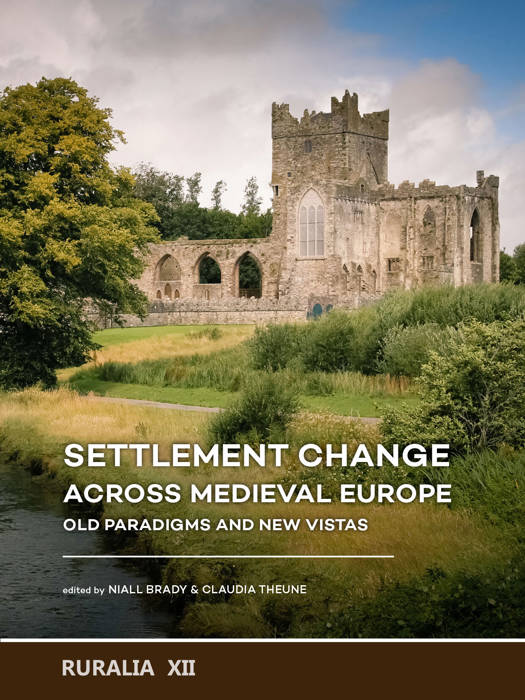
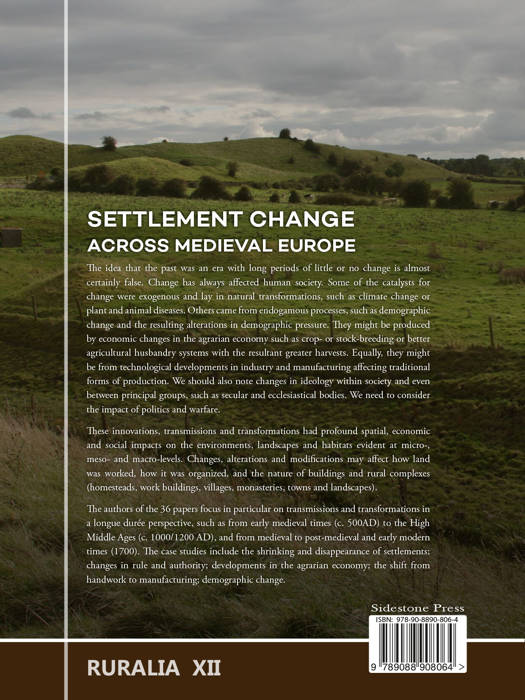
The idea that the past was an era with long periods of little or no change is almost certainly false. Change has always affected human society. Some of the catalysts for change were exogenous and lay in natural transformations, such as climate change or plant and animal diseases. Others came from endogamous processes, such as demographic change and the resulting alterations in demographic pressure. They might be produced by economic changes in the agrarian economy such as crop- or stock-breeding or better agricultural husbandry systems with the resultant greater harvests. Equally, they might be from technological developments in industry and manufacturing affecting traditional forms of production. We should also note changes in ideology within society and even between principal groups, such as secular and ecclesiastical bodies. We need to consider the impact of politics and warfare.
These innovations, transmissions and transformations had profound spatial, economic and social impacts on the environments, landscapes and habitats evident at micro-, meso- and macro-levels. Changes, alterations and modifications may affect how land was worked, how it was organized, and the nature of buildings and rural complexes (homesteads, work buildings, villages, monasteries, towns and landscapes).
The authors of the 36 papers focus in particular on transmissions and transformations in a longue durée perspective, such as from early medieval times (c. 500AD) to the High Middle Ages (c. 1000/1200 AD), and from medieval to post-medieval and early modern times (1700). The case studies include the shrinking and disappearance of settlements; changes in rule and authority; developments in the agrarian economy; the shift from handwork to manufacturing; demographic change.
These innovations, transmissions and transformations had profound spatial, economic and social impacts on the environments, landscapes and habitats evident at micro-, meso- and macro-levels. Changes, alterations and modifications may affect how land was worked, how it was organized, and the nature of buildings and rural complexes (homesteads, work buildings, villages, monasteries, towns and landscapes).
The authors of the 36 papers focus in particular on transmissions and transformations in a longue durée perspective, such as from early medieval times (c. 500AD) to the High Middle Ages (c. 1000/1200 AD), and from medieval to post-medieval and early modern times (1700). The case studies include the shrinking and disappearance of settlements; changes in rule and authority; developments in the agrarian economy; the shift from handwork to manufacturing; demographic change.
Specificaties
Betrokkenen
- Uitgeverij:
Inhoud
- Aantal bladzijden:
- 446
- Taal:
- Engels
- Reeks:
- Geïllustreerd:
- Ja
Eigenschappen
- Productcode (EAN):
- 9789088908064
- Verschijningsdatum:
- 8/11/2019
- Uitvoering:
- Paperback
- Formaat:
- Trade paperback (VS)
- Afmetingen:
- 208 mm x 277 mm
- Gewicht:
- 1406 g

Alleen bij Standaard Boekhandel
+ 130 punten op je klantenkaart van Standaard Boekhandel
Cadeau

AANGERADEN


Beoordelingen
We publiceren alleen reviews die voldoen aan de voorwaarden voor reviews. Bekijk onze voorwaarden voor reviews.