


- Afhalen na 1 uur in een winkel met voorraad
- Gratis thuislevering in België vanaf € 30
- Ruim aanbod met 7 miljoen producten
- Afhalen na 1 uur in een winkel met voorraad
- Gratis thuislevering in België vanaf € 30
- Ruim aanbod met 7 miljoen producten





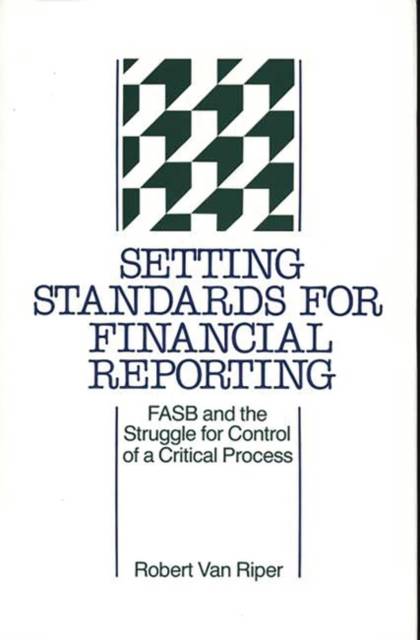
Setting Standards for Financial Reporting
FASB and the Struggle for Control of a Critical Process
A Bowdoin Van Riper
Hardcover | Engels
€ 220,45
+ 440 punten
Eenvoudig bestellen
Veilig betalen


Gratis thuislevering vanaf € 30 (via bpost)
Gratis levering in je Standaard Boekhandel
Omschrijving
The book begins with an overview of how and why the present self-regulatory arrangement for setting standards for financial reporting in the private sector came about in 1973. A brief description of the new structure is followed by a discussion of the essential elements of meaningful self-regulation. A schism emerged between advocates of neutrality and objectivity in standard setting and those who think the primary concern should be for possible economic and social consequences. Early clashes between traditional views and newer insights are described, setting the stage for an account of serious resistance to change. Powerful interests mount determined efforts to thwart the standard setters, undercutting not only self-regulation, but also the intent of the federal securities acts of 1933 and 1934. The practical and philosophical bases for the opposing views are examined, and recommendations are presented for ensuring continuation of private-sector standard setting despite the intensity of these views.
Specificaties
Betrokkenen
- Auteur(s):
- Uitgeverij:
Inhoud
- Aantal bladzijden:
- 216
- Taal:
- Engels
Eigenschappen
- Productcode (EAN):
- 9780899309071
- Verschijningsdatum:
- 21/07/1994
- Uitvoering:
- Hardcover
- Formaat:
- Genaaid
- Afmetingen:
- 162 mm x 241 mm
- Gewicht:
- 526 g


Alleen bij Standaard Boekhandel
+ 440 punten op je klantenkaart van Standaard Boekhandel
CADEAU

AANGERADEN


Beoordelingen
We publiceren alleen reviews die voldoen aan de voorwaarden voor reviews. Bekijk onze voorwaarden voor reviews.