


- Afhalen na 1 uur in een winkel met voorraad
- Gratis thuislevering in België vanaf € 30
- Ruim aanbod met 7 miljoen producten
- Afhalen na 1 uur in een winkel met voorraad
- Gratis thuislevering in België vanaf € 30
- Ruim aanbod met 7 miljoen producten





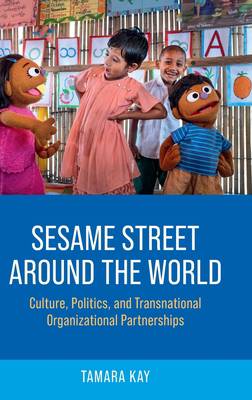
Sesame Street Around the World
Culture, Politics, and Transnational Organizational Partnerships
Tamara Kay
€ 201,45
+ 402 punten
Omschrijving
Given the sometimes extraordinary politicization of culture, it is surprising that Sesame Street has gained acceptance and legitimacy in more than fifty countries. Sesame Street's global success raises two questions. First, how does a US icon like Sesame Street spread around the world, gaining acceptance as a local cultural product? Second, how does the nonprofit that created it, Sesame Workshop, and its partners around the world navigate cultural differences, manage conflicts, and construct shared collective representations to create Sesame Street programs that resonate with local audiences?
Tamara Kay answers these questions using data from seven years of intensive ethnographic fieldwork and 200 in-depth interviews with Sesame Workshop staff and international partners-including their real-time interactions-from seventeen countries within four regions around the world. Kay argues that Sesame Workshop's secret is its engagement in coproduction, meaning it works with partners as a transnational team to create local Sesame Street programs together. Through coproduction, Sesame Workshop and its partners create new collective identities by constructing value to align their interests and exchanging complex cultural knowledge to both customize and build alliances. She traces the successive processes of coproduction, beginning with the imagination of the cultural product, to its disassembly, reconstitution, and dissemination. Coproduction privileges the creation of new knowledge that emerges from transnational interaction, and uses that new knowledge to create a hybrid cultural product. The Sesame Street case grapples with and illuminates culture in transnational interaction, providing insight into a range of other transnational organizational partnerships and different kinds of hybrid cultural products.
Tamara Kay answers these questions using data from seven years of intensive ethnographic fieldwork and 200 in-depth interviews with Sesame Workshop staff and international partners-including their real-time interactions-from seventeen countries within four regions around the world. Kay argues that Sesame Workshop's secret is its engagement in coproduction, meaning it works with partners as a transnational team to create local Sesame Street programs together. Through coproduction, Sesame Workshop and its partners create new collective identities by constructing value to align their interests and exchanging complex cultural knowledge to both customize and build alliances. She traces the successive processes of coproduction, beginning with the imagination of the cultural product, to its disassembly, reconstitution, and dissemination. Coproduction privileges the creation of new knowledge that emerges from transnational interaction, and uses that new knowledge to create a hybrid cultural product. The Sesame Street case grapples with and illuminates culture in transnational interaction, providing insight into a range of other transnational organizational partnerships and different kinds of hybrid cultural products.
Specificaties
Betrokkenen
- Auteur(s):
- Uitgeverij:
Inhoud
- Aantal bladzijden:
- 240
- Taal:
- Engels
- Reeks:
Eigenschappen
- Productcode (EAN):
- 9780190844295
- Verschijningsdatum:
- 19/01/2026
- Uitvoering:
- Hardcover
- Formaat:
- Genaaid
- Afmetingen:
- 156 mm x 234 mm
- Gewicht:
- 517 g


Alleen bij Standaard Boekhandel
+ 402 punten op je klantenkaart van Standaard Boekhandel
Cadeau

AANGERADEN


Beoordelingen
We publiceren alleen reviews die voldoen aan de voorwaarden voor reviews. Bekijk onze voorwaarden voor reviews.