


- Afhalen na 1 uur in een winkel met voorraad
- Gratis thuislevering in België vanaf € 30
- Ruim aanbod met 7 miljoen producten
- Afhalen na 1 uur in een winkel met voorraad
- Gratis thuislevering in België vanaf € 30
- Ruim aanbod met 7 miljoen producten





Omschrijving
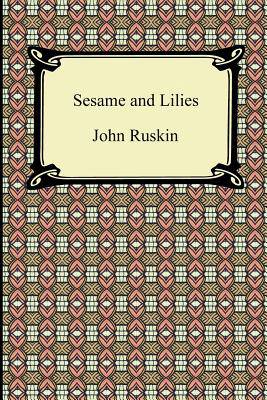
In his day, John Ruskin (1819-1900) held the power to make or break artists with his critical reviews. He served as benefactor to many artists, and was a huge supporter of the Pre-Raphaelite movement. Ruskin still to this day has many schools named after him, including the fine arts program, Ruskin College, at Oxford, his alma mater. His legacy holds the titles poet and artist as well, as he wrote works that were very popular during his lifetime, and remain relevant today. One of the artists to which John Ruskin was a patron was the skilled watercolorist Louisa, Marchioness of Waterford. Louisa's daughter, Rose la Touche, was the inspiration for "Sesames and Lilies". Ruskin met Rose when she was just ten years old, and grew completely enamored of her. He proposed to her when she was just seventeen, but was ultimately rejected; an event that many scholars agree caused his mental disintegration. "Sesames and Lilies" is an articulation of Ruskin's societal views, encouraging women to recognize their most important role: to morally guide men, and embrace that position.
Specificaties
Betrokkenen
- Auteur(s):
- Uitgeverij:
Inhoud
- Aantal bladzijden:
- 80
- Taal:
- Engels
Eigenschappen
- Productcode (EAN):
- 9781420941166
- Verschijningsdatum:
- 1/01/2011
- Uitvoering:
- Paperback
- Formaat:
- Trade paperback (VS)
- Afmetingen:
- 152 mm x 229 mm
- Gewicht:
- 127 g


Alleen bij Standaard Boekhandel
+ 16 punten op je klantenkaart van Standaard Boekhandel
Cadeau

AANGERADEN


Beoordelingen
We publiceren alleen reviews die voldoen aan de voorwaarden voor reviews. Bekijk onze voorwaarden voor reviews.