


- Afhalen na 1 uur in een winkel met voorraad
- Gratis thuislevering in België vanaf € 30
- Ruim aanbod met 7 miljoen producten
- Afhalen na 1 uur in een winkel met voorraad
- Gratis thuislevering in België vanaf € 30
- Ruim aanbod met 7 miljoen producten





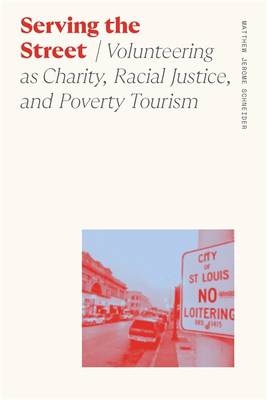
Serving the Street
Volunteering as Charity, Racial Justice, and Poverty Tourism
Matthew Jerome Schneider
€ 203,45
+ 406 punten
Uitvoering
Omschrijving
Volunteering is typically thought of as an act of altruism, yet there are power dynamics embedded in volunteer-service recipient relationships, especially when volunteers operate from privileged positions. Following six grassroots homeless service organizations in St. Louis, Missouri, Matthew Schneider unpacks the tensions between race, class, urban space, and volunteerism. Volunteers are well intentioned and provide vital, life-saving services. However, Serving the Street explores how many of these same volunteer groups helped to reproduce racialized stigma and stereotypes about poverty, homelessness, and marginal urban space through volunteer practices that bordered on "poverty tourism." If our goal is to make communities more inclusive and equitable, this book suggests a need for greater self-reflection, even among well-intentioned, social-justice-oriented volunteers.
Specificaties
Betrokkenen
- Auteur(s):
- Uitgeverij:
Inhoud
- Aantal bladzijden:
- 150
- Taal:
- Engels
- Reeks:
Eigenschappen
- Productcode (EAN):
- 9780820366388
- Verschijningsdatum:
- 1/03/2026
- Uitvoering:
- Hardcover
- Formaat:
- Genaaid
- Afmetingen:
- 152 mm x 229 mm
- Gewicht:
- 371 g


Alleen bij Standaard Boekhandel
+ 406 punten op je klantenkaart van Standaard Boekhandel
AANGERADEN


Beoordelingen
We publiceren alleen reviews die voldoen aan de voorwaarden voor reviews. Bekijk onze voorwaarden voor reviews.