


- Afhalen na 1 uur in een winkel met voorraad
- Gratis thuislevering in België vanaf € 30
- Ruim aanbod met 7 miljoen producten
- Afhalen na 1 uur in een winkel met voorraad
- Gratis thuislevering in België vanaf € 30
- Ruim aanbod met 7 miljoen producten





€ 80,95
+ 161 punten
Uitvoering
Eenvoudig bestellen
Veilig betalen


Gratis thuislevering vanaf € 30 (via bpost)
Gratis levering in je Standaard Boekhandel
Omschrijving
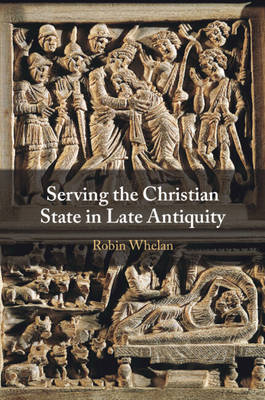
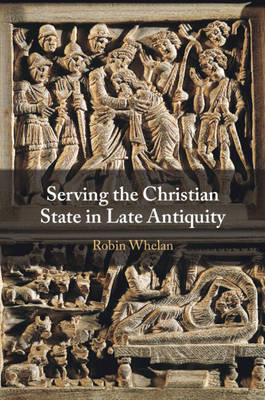
How did the state become Christian in late antiquity? Many scholars have traced the Christianization of the Roman world in the centuries following the conversion of the emperor Constantine in 312 CE. Robin Whelan, however, turns his attention away from the usual suspects in such accounts-emperors, empresses, bishops, ascetics, and other holy people-to consider a surprisingly understudied set of late ancient Christians: those who served the state as courtiers, bureaucrats, and governors. By tracing the requirements of regimes, the expectations of subjects, and patterns of engagement with churches and churchmen, he argues that that those who served the state in late antiquity could be seen-and indeed, could see themselves-as distinctly Christian authority figures-just as much as the emperors and kings whom they served, and the bishops and ascetics whom they governed. This title is also available as Open Access on Cambridge Core.
Specificaties
Betrokkenen
- Auteur(s):
- Uitgeverij:
Inhoud
- Aantal bladzijden:
- 390
- Taal:
- Engels
Eigenschappen
- Productcode (EAN):
- 9781009714655
- Verschijningsdatum:
- 4/06/2026
- Uitvoering:
- Paperback
- Formaat:
- Trade paperback (VS)
- Afmetingen:
- 152 mm x 229 mm
- Gewicht:
- 521 g


Alleen bij Standaard Boekhandel
+ 161 punten op je klantenkaart van Standaard Boekhandel
CADEAU

AANGERADEN


Beoordelingen
We publiceren alleen reviews die voldoen aan de voorwaarden voor reviews. Bekijk onze voorwaarden voor reviews.