


- Afhalen na 1 uur in een winkel met voorraad
- Gratis thuislevering in België vanaf € 30
- Ruim aanbod met 7 miljoen producten
- Afhalen na 1 uur in een winkel met voorraad
- Gratis thuislevering in België vanaf € 30
- Ruim aanbod met 7 miljoen producten




Omschrijving
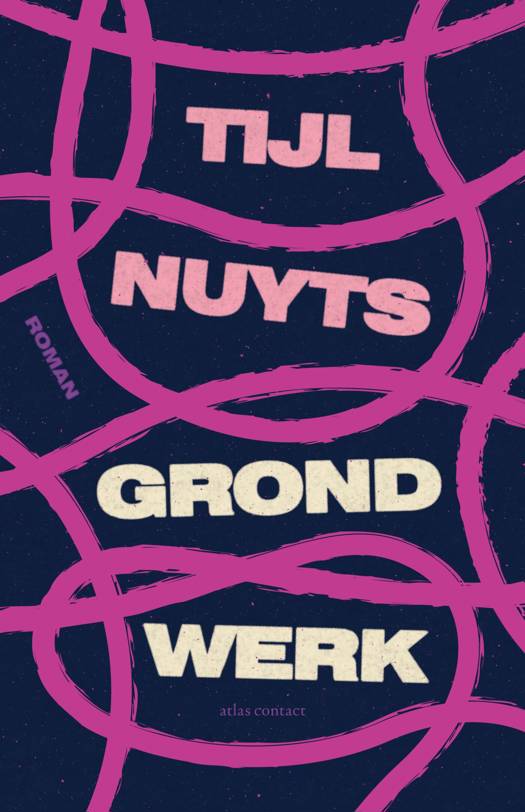
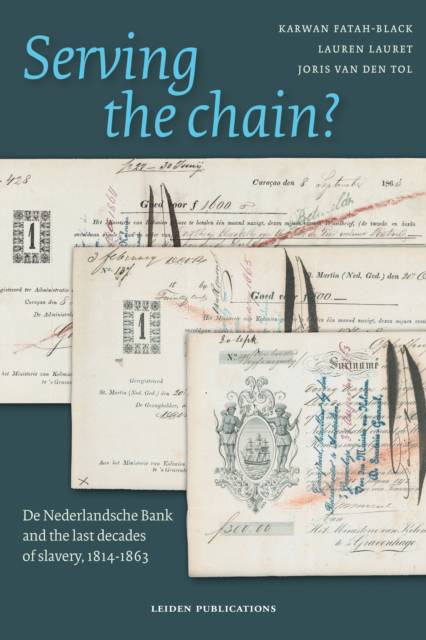
"In the nineteenth century, when the principal cultural, political, and financial institutions of the Netherlands were established, slavery was still very much part of the nation's global imperial structures. Dutch families, institutions, and governments are increasingly interested in the role their predecessors played in this history of colonialism and enslavement. This book is a history of De Nederlandsche Bank in which particular attention is paid to its links with slavery, both as a factor in the economy and as a subject of political debate. Because De Nederlandsche Bank served the Dutch ministery of Colonies and consequently followed Dutch trade interests, the bank's history intersects with the history of slavery. The investigation in this book focuses not only upon DNB's formal involvement but also on the private involvement of its directors. In addition, it examines whether the bank and its directors played any role in the abolition of slavery."
Specificaties
Betrokkenen
- Auteur(s):
- Uitgeverij:
Inhoud
- Aantal bladzijden:
- 248
- Taal:
- Engels
- Reeks:
Eigenschappen
- Productcode (EAN):
- 9789087283926
- Verschijningsdatum:
- 5/12/2023
- Uitvoering:
- Paperback
- Formaat:
- Trade paperback (VS)
- Afmetingen:
- 156 mm x 235 mm
- Gewicht:
- 376 g


Alleen bij Standaard Boekhandel
+ 87 punten op je klantenkaart van Standaard Boekhandel
Cadeau

AANGERADEN


Beoordelingen
We publiceren alleen reviews die voldoen aan de voorwaarden voor reviews. Bekijk onze voorwaarden voor reviews.